Curating Your Space: Empty & Framed Photos
There is a distinct psychological shift that happens when you move from scrolling through digital galleries to holding a physical photograph. In an era where thousands of images live transiently on our smartphones, the act of selecting, framing, and displaying a single moment carries weight. It transforms a fleeting memory into a tangible artifact. This is where a Collection of Diverse Empty and Framed P becomes more than just home decor; it becomes a tool for storytelling, branding, and emotional grounding.
Whether you are an interior designer curating a client’s living room, a marketer building a brand narrative, or a homeowner looking to add warmth to sterile walls, understanding the nuance of frames is essential. The right frame does not just hold a picture; it elevates it. It provides context, draws the eye, and integrates the image into its surrounding environment seamlessly.
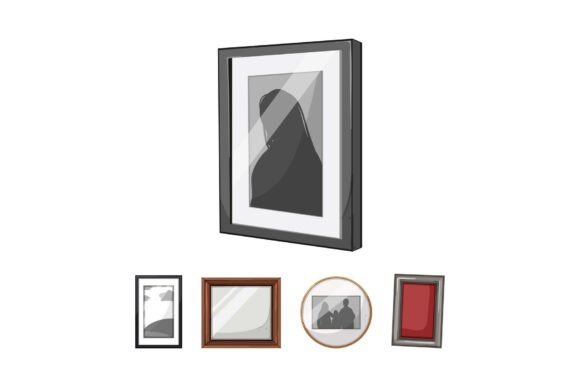
The Material Dialogue: Wood, Metal, and Beyond
When evaluating options within a diverse collection, material choice is the first decision point. It dictates the tone of the display before the viewer even processes the image inside.
- Wood: Natural wood frames offer warmth and organic texture. They are ideal for family portraits, nature photography, or rustic-themed interiors. Oak, walnut, and pine each bring their own grain patterns and color profiles, allowing for subtle customization without overwhelming the subject.
- Metal: Sleek, modern, and durable, metal frames—often aluminum or steel—provide a crisp boundary. They are perfect for black-and-white photography, architectural shots, or contemporary office spaces. The thin profile of many metal frames ensures the focus remains entirely on the image.
- Composite and Synthetic Materials: For high-traffic areas or commercial settings, durability is key. High-quality synthetic frames can mimic the look of wood or stone while resisting warping, fading, or breakage.
The interplay between the frame material and the photo’s content creates a visual harmony. A harsh industrial metal frame might clash with a soft, pastel childhood portrait, just as an ornate wooden frame might distract from a minimalist graphic design print.
Shape and Structure: Breaking the Rectangle
While rectangular frames are the standard, incorporating varied shapes adds dynamic energy to a display. A Collection of Diverse Empty and Framed P often includes round, oval, or irregular shapes that challenge traditional layout expectations.
Round frames, for instance, soften the visual field. They are excellent for highlighting faces in portraiture or creating a focal point in a gallery wall dominated by straight lines. Using a mix of rectangular and round frames prevents visual fatigue and encourages the eye to wander across the wall rather than scanning in a rigid grid.
Practical Applications Across Environments
The utility of these collections extends far beyond the living room. Here is how different professionals and individuals can leverage framed imagery:
- Corporate Branding and Offices: In professional environments, framed visuals communicate company culture. Instead of generic stock art, businesses can use framed photos of team milestones, product evolution, or community involvement. Consistent framing styles (e.g., all black metal) create a cohesive brand identity that feels polished and intentional.
- Educational Settings: Teachers and educators use framed displays to celebrate student achievements or illustrate historical concepts. Durable frames protect these materials while giving them prominence, signaling to students that their work is valued.
- Creative Portfolios: Photographers and artists often use empty frames as part of their studio decor to showcase versatility. By swapping out prints regularly, they keep their space fresh and demonstrate their range to potential clients without needing to reprint large formats constantly.
- Real Estate Staging: Empty frames can be used strategically to suggest scale and purpose in vacant homes. A large empty frame above a fireplace helps buyers visualize their own art in the space, making the room feel lived-in yet neutral.
Building the Perfect Gallery Wall
One of the most popular uses for a diverse collection is the creation of a gallery wall. This is not merely about hanging pictures randomly; it is about composition. Start by laying out your frames on the floor before committing to nails in the wall. Mix sizes and orientations—landscape and portrait—to create rhythm.
Pro Tip: Maintain a consistent spacing between frames, typically two to three inches. This negative space is crucial; it allows each piece to breathe while still feeling part of a unified whole. If you are using a mix of wood and metal, try to balance them symmetrically or cluster similar materials together to avoid a chaotic appearance.
Usability and Maintenance Considerations
When selecting items from a Collection of Diverse Empty and Framed P, consider the practical aspects of maintenance and usability. Glass vs. acrylic glazing is a common dilemma. Glass offers superior clarity but is heavy and breakable. Acrylic is lighter and shatter-resistant, making it ideal for children’s rooms, high-traffic hallways, or shipping artwork to clients.
Additionally, check the backing mechanism. Frames with easy-open clips allow for quick changes, which is vital for those who rotate their decor seasonally or update their portfolio frequently. Secure wire hangers with adequate weight ratings ensure safety and stability, preventing accidental damage to both the frame and the wall.
Elevating Everyday Moments
Ultimately, the value of these frames lies in their ability to slow us down. In a fast-paced digital world, a physical frame demands attention. It says, "This moment mattered." Whether you are displaying a child’s first drawing, a certificate of achievement, or a stunning landscape from a recent trip, the frame serves as a vessel for memory.
For entrepreneurs and creators, this translates to brand authenticity. Showing the behind-the-scenes reality of your business through candid, well-framed photos builds trust with your audience. It humanizes the brand and creates an emotional connection that polished graphics alone cannot achieve.
By thoughtfully curating a mix of materials, shapes, and sizes, you create a visual language that speaks to your personal or professional identity. The next time you look at a blank wall, see it not as empty space, but as a canvas waiting for the structure and story that only the right frame can provide.