White Fence Boundaries: Defining Space
There is a distinct psychological comfort in seeing a clear line drawn between what is yours and what is shared. White fence boundaries separating proper spaces do more than just mark a property line; they create a visual language of order, safety, and aesthetic harmony. Whether you are a homeowner looking to enhance curb appeal, a graphic designer seeking clean vector assets, or a business owner trying to define brand zones, understanding the nuance of these boundaries is essential. The classic white picket fence is not merely a relic of suburban nostalgia but a versatile design element that communicates division, security, and decorative intent simultaneously.
The Visual Language of Division and Security
At its core, a fence is a barrier. However, the white picket fence transforms this utilitarian function into something inviting. Unlike tall, solid privacy walls that can feel imposing or isolating, white picket panels offer a semi-permeable boundary. They illustrate the concept of division without creating a sense of confinement. This balance is crucial in both physical landscaping and digital design. When we talk about white fence boundaries separating proper areas, we are discussing the art of defining space while maintaining visibility and connection.
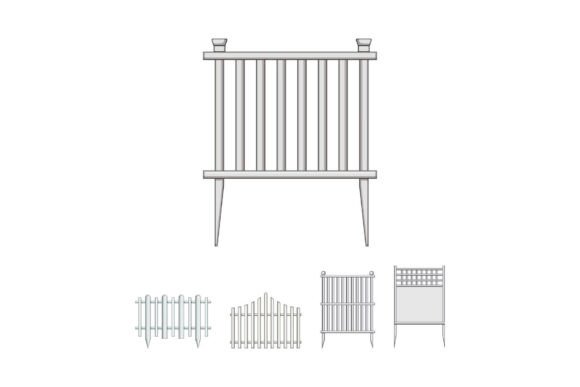
In terms of security, these fences serve as a deterrent rather than a fortress. They signal that a space is cared for and monitored, which is often enough to discourage casual trespassing. For designers using isolated vector symbols of these fences, this duality is key. The vectors represent protection but also openness. This makes them ideal for projects where you need to suggest structure without heaviness. Think of a website layout for a community garden or a local bakery; the imagery suggests a welcoming environment that still has clear rules and boundaries.
Decorative Appeal and Property Value
Beyond function, the aesthetic value of white fencing is undeniable. The crisp contrast of white wood or vinyl against green lawns, colorful flower beds, or brick facades creates a timeless look. This decorative quality is why various white picket fences and panels remain a staple in outdoor design. They frame a property, drawing the eye inward and highlighting the home itself. For real estate professionals and stagers, installing or digitally enhancing images with these fences can significantly boost perceived property value. It signals maintenance, tradition, and care.
When presented as isolated vector symbols, these design elements become incredibly flexible. A marketer can place a stylized picket fence icon next to a "Secure Checkout" button to subconsciously reinforce safety. An educator might use a simple fence graphic to teach children about personal space or community roles. The versatility lies in the simplicity of the form. The vertical slats and horizontal rails create a rhythm that is pleasing to the eye, making it a reliable choice for backgrounds, borders, and dividers in both print and digital media.
Practical Applications Across Industries
Understanding how to apply these concepts requires looking at specific use cases. Here is how different professionals can leverage the idea of white fence boundaries:
- Graphic Designers: Use vector fence patterns as subtle background textures for wedding invitations, baby shower announcements, or spring-themed sales flyers. The isolated nature of the symbols allows for easy scaling and color adjustment if needed, though keeping them white maintains the classic feel.
- Real Estate Agents: Highlight properties with existing white fences in listings. If a property lacks one, use digital staging tools to add virtual fencing to help buyers visualize the potential for a defined, secure yard.
- Web Developers: Incorporate fence motifs into footer designs or section breaks on websites related to home improvement, gardening, or family services. It acts as a visual cue that separates content sections cleanly.
- Educators: Use fence illustrations in social-emotional learning materials to explain concepts of personal boundaries, consent, and respecting others' property in a non-threatening, visual way.
Choosing the Right Style and Material
If you are implementing this in a physical landscape, the choices extend beyond just "white." You must consider material durability and style consistency. Vinyl offers low maintenance and uniform brightness, while wood provides a natural texture that ages gracefully but requires regular painting or staining. The height of the pickets also matters. Shorter pickets feel more decorative and open, suitable for front yards where interaction with neighbors is desired. Taller panels provide more security and are better suited for backyards or pools.
For those working with digital assets, the quality of the isolated vector symbols is paramount. Ensure that the lines are clean and the nodes are optimized. A jagged or poorly constructed vector will look unprofessional when scaled up for large-format printing. Look for assets that offer various angles and configurations—straight panels, corner pieces, and gates—to allow for realistic composition in your designs.
Key Considerations Before Implementation
Before committing to either a physical installation or a design theme, consider the context. Does a white fence fit the architectural style of the home or the brand identity? A modern minimalist brand might find the traditional picket fence too quaint, whereas a heritage brand would embrace it. Similarly, in residential areas, check local homeowners association (HOA) rules regarding fence height and placement. White fence boundaries separating proper spaces must respect legal setbacks and neighborhood guidelines to avoid conflict.
Additionally, think about maintenance. In physical applications, white shows dirt and weathering quickly. In digital applications, ensure the white elements have sufficient contrast against their backgrounds so they do not disappear. Accessibility is key; a faint white fence on a light gray background may look elegant but fails to communicate the boundary clearly to all users.
Embracing the Symbolism of Structure
Ultimately, the appeal of the white picket fence lies in its ability to bring order to chaos. It turns an undefined expanse of grass into a "yard," and a vague digital space into a structured layout. By using various white picket fences and panels illustrating concepts of division, we create environments that feel safer and more intentional. Whether you are sketching a landscape plan or designing a user interface, these elements remind us that boundaries are not just about keeping things out—they are about defining what is within.
As you explore options for your next project, remember that the best boundaries are those that are clear yet inviting. They protect without imprisoning and decorate without distracting. By mastering the use of these classic symbols, you can enhance both the functionality and the beauty of your personal and professional spaces.