Collecting Colorful Teapots and Kettles
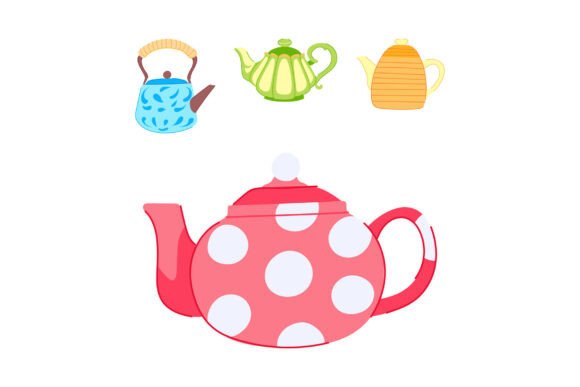
There is a distinct joy in the ritual of preparing tea, a moment of pause in an otherwise hectic day. When you introduce Colorful Teapots and Kettle Collecting W into this routine, the experience transforms from a simple beverage break into a curated aesthetic event. These vessels are not merely functional tools for boiling water or steeping leaves; they are statement pieces that inject personality, history, and vibrancy into your kitchen or dining space. For collectors, designers, and home enthusiasts alike, the world of colorful ceramics and enamelware offers a rich tapestry of styles to explore.
The appeal lies in the intersection of utility and art. A bright cobalt blue kettle on a stovetop or a pastel pink teapot on a shelf does more than hold liquid. It acts as a focal point, sparking conversation and setting a mood. Whether you are a small business owner looking to style a café corner, a blogger seeking visual content, or a hobbyist who appreciates craftsmanship, understanding how to curate these items can elevate your environment significantly.
The Art of Curating Vibrant Kitchenware
Collecting is often mistaken for hoarding, but true curation is about intentionality. When engaging with Colorful Teapots and Kettle Collecting W, the goal is to build a collection that reflects a cohesive narrative or a deliberate contrast. Start by identifying what draws you in. Is it the glossy finish of mid-century modern enamel? The hand-painted intricacy of Japanese ceramic ware? Or perhaps the rustic charm of earth-toned stoneware with vibrant glazes?
One effective approach is to choose a color palette. Monochromatic collections, where every piece varies in shade from light to dark within a single hue, create a sophisticated and calming visual effect. Alternatively, a complementary color scheme—such as pairing orange teapots with blue kettles—creates dynamic energy. This method works exceptionally well for creators and marketers who need visually striking backgrounds for photography or video content. The consistency in theme makes the collection feel organized rather than chaotic.
Another layer of depth comes from mixing eras. Placing a vintage 1950s atomic-age kettle next to a contemporary, minimalist ceramic teapot highlights the evolution of design. This juxtaposition tells a story about changing tastes and manufacturing techniques. For educators and historians, these objects serve as tangible lessons in industrial design and cultural trends. Each chip, handle shape, or spout design offers clues about the time and place of its origin.
Practical Applications for Different Audiences
The versatility of colorful tea ware extends beyond personal enjoyment. Different professionals and hobbyists can leverage these items to achieve specific goals.
- Interior Designers and Stagers: Use bold kettles as accent pieces in neutral kitchens. A bright yellow kettle on a white counter draws the eye and adds warmth without requiring a renovation.
- Content Creators and Bloggers: These items are photogenic props. A set of matching pastel teacups and a teapot can define the aesthetic of a lifestyle brand, conveying softness and care.
- Hospitality Entrepreneurs: Cafés and bed-and-breakfasts can use unique teapots to enhance the guest experience. Serving afternoon tea in distinctive, colorful ware creates a memorable impression and encourages social media sharing by customers.
- Educators and Workshop Leaders: Use the collection to teach principles of color theory, balance, and composition. Hands-on interaction with these objects makes abstract design concepts concrete.
For those running small businesses, such as online vintage shops, presenting these items effectively is crucial. High-quality images that highlight the gloss, texture, and color accuracy are essential. Descriptions should go beyond dimensions to include the sensory experience—the weight of the handle, the sound of the lid settling, the way the light catches the glaze.
Maintaining Quality and Consistency
Collecting colorful items requires attention to maintenance to ensure they remain vibrant and functional. Enamel kettles, while durable, can chip if mishandled. Ceramic teapots may stain over time if used for strong teas like pu-erh or black tea without proper cleaning. To keep your collection in prime condition, establish a care routine.
Hand washing is generally recommended for both enamel and fine ceramics to preserve the integrity of the colors and prevent thermal shock. Avoid abrasive scrubbers that can dull glossy finishes. For stubborn tea stains, a gentle soak in a mixture of water and baking soda can restore brightness without damaging the surface. Regular inspection for hairline cracks or loose handles ensures safety, particularly for kettles used on direct heat sources.
Organization is also key to enjoying your collection. Display shelves with adequate lighting allow each piece to shine. Grouping items by color or size creates visual harmony. If space is limited, consider rotating the display seasonally. This keeps the kitchen feeling fresh and allows you to appreciate different aspects of your collection throughout the year.
Creative Project Ideas and Inspirations
Beyond display and use, colorful teapots and kettles can inspire various creative projects. Here are a few ideas to spark your imagination:
- Themed Afternoon Tea Events: Host gatherings where the decor matches the teaware. A "Citrus Sunrise" theme could feature orange and yellow pots, paired with lemon-infused teas and citrus pastries.
- DIY Upcycling Workshops: Teach others how to repair minor chips in enamelware using food-safe epoxy or how to re-glaze ceramic pieces. This promotes sustainability and extends the life of beloved items.
- Photography Challenges: Create a series of photos focusing on the interplay of light and color. Experiment with different backgrounds and angles to showcase the unique shapes and hues of each piece.
- Storytelling Blogs: Write about the provenance of each item. Research the manufacturer, the era, and the design influences. This adds intellectual value to the collection and engages readers interested in history and design.
These activities transform passive collecting into active engagement. They encourage you to look deeper at the objects you own and share that appreciation with others. For freelancers and publishers, this content can be repurposed across multiple platforms, from Instagram reels showing the pouring process to long-form articles discussing the history of enamelware.
Finding Your Unique Style
Ultimately, Colorful Teapots and Kettle Collecting W is about personal expression. There are no strict rules, only guidelines to help you refine your taste. Start small. Pick one piece that speaks to you and build around it. Allow your collection to evolve naturally as you discover new styles and makers. Visit local thrift stores, antique fairs, and artisan markets. Engage with online communities of fellow collectors to exchange tips and stories.
Remember that the most compelling collections are those that reflect the collector’s personality. Whether you prefer bold, primary colors or subtle, earthy tones, let your choices be guided by what brings you joy. The beauty of these objects lies not just in their appearance, but in the moments of connection and calm they facilitate. By curating with intention and caring for your pieces, you create a lasting legacy of beauty and utility in your daily life.
Embrace the creativity that these vibrant vessels offer. Let them inspire you to slow down, appreciate the details, and find color in the everyday. Whether for personal enjoyment or professional application, the world of colorful teapots and kettles is a rewarding journey of discovery and design.