The Art and Appeal of Colorful Chocolate Eggs Celebrating Spring
As the winter chill recedes and the world begins to bloom, there is a distinct shift in consumer behavior and cultural celebration. Among the most enduring symbols of this seasonal transition are confectionery items that mirror the vibrancy of nature itself. Specifically, Colorful Chocolate Eggs Celebrating Spring have become more than just candy; they are edible art pieces that encapsulate the joy, renewal, and sweetness associated with the season. These treats serve as a bridge between traditional holiday customs and modern culinary aesthetics, appealing to a wide demographic ranging from casual consumers to professional event planners.
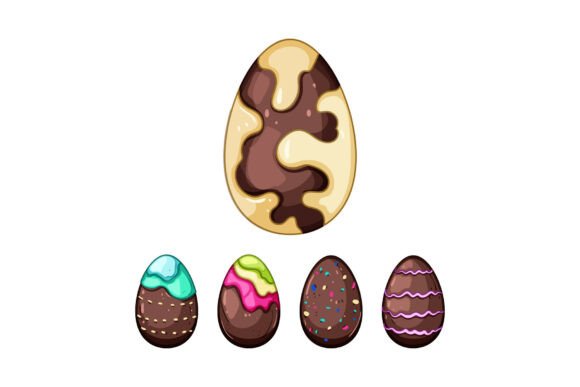
The allure of these chocolates lies not merely in their taste but in their visual impact. An assortment of decorative chocolate eggs featuring various bright colors, sprinkles, and icing designs represents a deliberate departure from the monochromatic or strictly traditional brown hues of standard chocolate bars. This visual diversity is crucial for capturing attention in both retail environments and digital marketplaces. For creators and business owners, understanding the nuances of these products offers valuable insights into seasonal marketing, product design, and consumer psychology.
Visual Aesthetics and Design Complexity
The primary characteristic that sets these seasonal treats apart is their intricate design. Manufacturers and artisanal chocolatiers invest significant effort into creating shells that are visually striking. The use of vibrant food-grade colorants allows for a spectrum that mimics the pastel tones of early spring flowers or the bold, saturated hues of mid-season blooms. This is not random decoration; it is a calculated design choice intended to evoke feelings of happiness and energy.
Sprinkles and icing designs add texture and depth to the smooth surface of the chocolate. These elements serve multiple purposes. Aesthetically, they break up large blocks of color, creating visual interest that draws the eye. Tactilely, they provide a contrast in mouthfeel, combining the snap of tempered chocolate with the slight crunch of sugar decorations. For educators and researchers studying sensory perception, these combinations offer a rich field for understanding how visual cues influence taste expectations. When a consumer sees a brightly colored egg with intricate icing, they anticipate a sweeter, more festive flavor profile, even if the underlying chocolate remains identical to a plain variant.
The Role of Color Psychology in Confectionery
Color plays a pivotal role in the appeal of Colorful Chocolate Eggs Celebrating Spring. Yellow evokes sunshine and optimism, while green suggests growth and freshness. Pink and lavender are often associated with softness and tradition. By utilizing an assortment of these colors, producers tap into deep-seated psychological associations. This is particularly relevant for marketers who aim to create emotional connections with their audience. The brightness of the packaging and the product itself signals celebration, making these items ideal for gifting and social gatherings.
Culinary Craftsmanship and Production Techniques
Creating high-quality decorative chocolate eggs requires a blend of artistic skill and technical precision. The process begins with tempering chocolate, a method of heating and cooling cocoa butter to stabilize its crystals. Proper tempering ensures that the final product has a glossy finish and a satisfying snap, which are essential for supporting heavy decorations like icing and sprinkles. If the chocolate is not tempered correctly, the colors may appear dull, and the structural integrity of the egg may be compromised.
Once the shells are formed, the decoration phase begins. This can be done through various methods, including hand-piping, airbrushing, and dipping. Hand-piping allows for unique, one-of-a-kind designs, making each egg a small masterpiece. This approach is favored by artisanal chocolatiers who prioritize exclusivity and craftsmanship. On the other hand, airbrushing and dipping are more scalable techniques used by larger manufacturers to produce consistent, high-volume assortments. Both methods require careful attention to detail to ensure that the decorations adhere properly and do not bleed into one another.
For hobbyists and home bakers, replicating these designs offers a creative outlet. Many enthusiasts experiment with different types of chocolate, from milk to white to dark, each providing a different canvas for color. White chocolate, in particular, is popular for decorative eggs because its pale background allows colors to pop vividly. However, working with white chocolate can be challenging due to its sensitivity to heat, requiring precise temperature control to avoid seizing or discoloration.
Market Dynamics and Consumer Trends
The market for seasonal confectionery is highly competitive, and Colorful Chocolate Eggs Celebrating Spring occupy a significant niche within it. Consumers are increasingly seeking products that offer both quality and aesthetic appeal. There is a growing trend towards premiumization, where buyers are willing to pay more for chocolates that feature natural ingredients, sustainable sourcing, and artistic presentation. This shift has prompted many brands to rethink their offerings, moving away from mass-produced, plastic-heavy items towards more eco-friendly and artisanal options.
Social media has also played a crucial role in shaping these trends. Platforms like Instagram and Pinterest are filled with images of beautifully arranged chocolate eggs, driving demand for visually stunning products. Consumers often purchase these items not just for consumption but for sharing online, turning the act of eating chocolate into a social experience. For business owners, this means that packaging and presentation are just as important as the product itself. Clear windows in boxes, elegant ribbons, and cohesive color schemes can significantly enhance the perceived value of the product.
- Seasonal Demand Spikes: Sales peak in the weeks leading up to major spring holidays, requiring efficient inventory management.
- Gifting Culture: These eggs are popular corporate gifts and family presents, driving bulk purchases.
- Dietary Considerations: There is increasing demand for vegan, gluten-free, and sugar-free options that do not compromise on visual appeal.
Practical Applications and Use Cases
Beyond personal consumption, decorative chocolate eggs have numerous practical applications in various sectors. In the hospitality industry, hotels and restaurants use them as part of their Easter brunch displays or as complimentary amenities for guests. The visual appeal of these items enhances the overall dining experience, creating a memorable impression for customers. Event planners incorporate them into centerpieces and favor bags for spring-themed weddings, baby showers, and corporate events. Their versatility allows them to fit seamlessly into different decor styles, from rustic to modern.
For educators, these chocolates can serve as tools for teaching concepts related to chemistry, art, and business. Students can learn about the science of tempering chocolate, the principles of color theory in design, and the economics of seasonal marketing. Hands-on activities involving the decoration of chocolate eggs can engage students in creative thinking and fine motor skill development. Similarly, researchers can study consumer preferences by analyzing sales data and feedback on different design variations, providing insights into broader trends in consumer behavior.
Sustainability and Ethical Considerations
As awareness of environmental issues grows, there is increasing scrutiny on the packaging and sourcing of confectionery products. Traditional plastic eggs are being replaced by biodegradable materials or eliminated entirely in favor of paper-based alternatives. Consumers are also more conscious of the origin of the cocoa used in their chocolates, preferring brands that support fair trade practices and sustainable farming. For producers, addressing these concerns is not just a moral imperative but a business necessity. Transparent supply chains and eco-friendly packaging can differentiate a brand in a crowded market.
The production of Colorful Chocolate Eggs Celebrating Spring also involves considerations regarding food waste. Unsold inventory after the holiday season can lead to significant losses. To mitigate this, some companies donate excess stock to food banks or repurpose it into other products, such as chocolate bark or baking chips. Others adopt a made-to-order model, producing only what is demanded to minimize waste. These strategies not only reduce environmental impact but also enhance brand reputation among socially conscious consumers.
Enhancing the Consumer Experience
To maximize the enjoyment of these decorative treats, proper storage and handling are essential. Chocolate is sensitive to temperature and humidity, which can cause blooming—a whitish coating that affects appearance and texture. Consumers should store their chocolate eggs in a cool, dry place, away from direct sunlight. For those who receive them as gifts, displaying them in a visible area can extend the visual pleasure before consumption. However, prolonged exposure to warm temperatures should be avoided to maintain quality.
Pairing these chocolates with complementary beverages can also enhance the experience. Light floral teas, fruity wines, or sparkling juices can balance the sweetness of the chocolate and highlight its flavor notes. For creators and hosts, offering such pairings can elevate a simple treat into a sophisticated tasting experience. This approach encourages mindful consumption, allowing individuals to savor the complexity of flavors and textures rather than consuming the product hastily.
In conclusion, the phenomenon of Colorful Chocolate Eggs Celebrating Spring extends far beyond simple confectionery. It represents a convergence of art, science, commerce, and culture. From the meticulous craftsmanship involved in their creation to the psychological impact of their vibrant designs, these eggs offer a rich subject for exploration. Whether viewed through the lens of a business owner optimizing seasonal sales, an educator teaching sensory science, or a consumer seeking a moment of joy, these decorative items hold significant value. As trends evolve and consumer expectations rise, the continued innovation in this space promises to keep these seasonal delights relevant and cherished for years to come.