Different Floating Shelves and Modular E: Integrating Storage into Modern Workflows
In the evolving landscape of home office design and personal productivity, physical environment plays a critical role in mental clarity. The concept of Different Floating Shelves and Modular E represents more than just furniture; it is a strategic approach to spatial organization that supports complex workflows. For professionals, creators, and entrepreneurs who manage multiple projects simultaneously, the ability to curate their immediate surroundings is essential. This article explores how integrating various modern floating shelves and modular decorative components can streamline daily operations, enhance aesthetic consistency, and provide scalable storage solutions.
Understanding the Role of Modular Storage in Professional Spaces
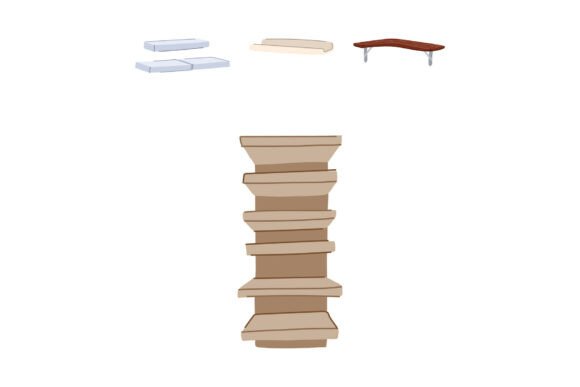
Traditional storage often feels static and intrusive. In contrast, Different Floating Shelves and Modular E emphasizes adaptability. The term "Modular E" here refers to the ecosystem of interchangeable, stackable, and architecturally inspired components that allow users to build custom storage structures tailored to specific needs. Whether you are a freelancer managing client deliverables or an educator organizing teaching materials, the flexibility of these systems allows for rapid reconfiguration as priorities shift.
The primary advantage lies in the visual lightness of floating designs. By removing visible brackets and bulky cabinetry, these shelves create an illusion of space, reducing cognitive load. A cluttered visual field can lead to decision fatigue, whereas a streamlined, modular setup promotes focus. This is not merely about aesthetics; it is about creating an environment where tools and resources are accessible without being overwhelming.
Pre-Project Preparation and Spatial Planning
Before installing any shelving unit, effective planning is required. This phase mirrors the initial stages of any professional project. You must assess your inventory, identify frequent touchpoints, and determine the weight and dimensions of items you need to store. Different Floating Shelves and Modular E systems require a clear understanding of wall integrity and spatial constraints.
- Audit Your Assets: List all items that need storage, from heavy reference books to lightweight decorative objects. This helps determine the load-bearing requirements of your shelves.
- Map Your Workflow: Identify where you spend most of your time. Shelves should be positioned within arm’s reach of your primary workspace to minimize movement interruptions.
- Consider Future Scalability: Choose modular components that can be expanded. As your business grows or your hobbies evolve, your storage needs will change. Modular systems allow for incremental additions without replacing the entire structure.
This preparatory stage ensures that the installation process is efficient and that the final setup aligns with your long-term operational goals. It prevents the common mistake of purchasing decorative items that do not serve a functional purpose in your daily routine.
Implementation Strategies for Maximum Efficiency
Once the planning phase is complete, the implementation of Different Floating Shelves and Modular E begins. This process involves both physical installation and organizational logic. The goal is to create a system where every item has a designated place, reducing the time spent searching for resources.
Zoning Your Storage
Effective organization relies on zoning. Divide your shelving units into distinct categories based on frequency of use and type of content. For instance, daily essentials such as notebooks, chargers, and current project files should occupy the most accessible zones. Archival materials or seasonal items can be placed on higher or less accessible shelves. This hierarchy ensures that your workflow remains uninterrupted by unnecessary retrieval tasks.
Integrating Decorative and Functional Elements
Modern floating shelves are not purely utilitarian; they are also design statements. The "Modular E" concept encourages the blending of architectural components with personal artifacts. Incorporating plants, framed certifications, or industry awards can reinforce professional identity while breaking the monotony of pure storage. However, balance is key. Over-decorating can lead to visual noise, which counteracts the benefits of a minimalist setup. Aim for a ratio where functionality dominates, but aesthetic elements provide visual relief.
Compatibility with Digital Tools
In today’s hybrid work environments, physical storage must complement digital organization. Use your shelves to house hardware that supports your digital workflow, such as external hard drives, routers, or charging stations. Cable management is crucial here. Many modular shelf systems include built-in channels or accessories for hiding wires, maintaining the clean lines that define the floating aesthetic. This integration ensures that your physical space reflects the orderliness of your digital file structure.
Quality Control and Long-Term Maintenance
Sustainability in organization requires regular maintenance. Just as you review business metrics or project outcomes, you should periodically assess your storage system. Different Floating Shelves and Modular E are designed for durability, but their effectiveness depends on consistent upkeep.
- Quarterly Reviews: Every three months, evaluate the items on your shelves. Remove anything that no longer serves a purpose or belongs in long-term storage. This prevents accumulation and keeps the system lean.
- Structural Checks: Ensure that mounting hardware remains secure, especially if you frequently rearrange modules. Weight distribution changes can affect stability over time.
- Cleaning Protocols: Dust and debris can accumulate on horizontal surfaces. Regular cleaning preserves the material quality and maintains the professional appearance of your workspace.
These maintenance habits ensure that your storage solution continues to support your productivity rather than becoming a source of distraction or hazard.
Adapting to Different Professional Contexts
The versatility of Different Floating Shelves and Modular E makes it suitable for various professional contexts. For marketers, these shelves can display campaign mockups and brand guidelines, keeping creative inspiration visible. For educators, they can organize lesson plans and teaching aids, allowing for quick transitions between topics. Entrepreneurs might use them to showcase product prototypes or award recognitions, reinforcing brand value during client meetings.
The key is customization. Unlike fixed cabinetry, modular systems allow you to tailor the layout to your specific industry requirements. You can add hooks for headphones, small bins for stationery, or dedicated slots for tablets and devices. This level of customization ensures that the storage solution evolves alongside your career.
Conclusion: Building a Sustainable Organizational Habit
Integrating Different Floating Shelves and Modular E into your home or office is not a one-time task but an ongoing process of refinement. It requires an understanding of your workflow, a commitment to minimalism, and a willingness to adapt as your needs change. By focusing on practical implementation, compatibility with digital tools, and regular maintenance, you can create a storage environment that enhances rather than hinders your productivity.
Ultimately, the value of these systems lies in their ability to reduce friction in your daily routine. When your physical space is organized logically and aesthetically, you free up mental energy for high-value tasks. Whether you are launching a new venture, managing a team, or pursuing a creative passion, the right storage foundation can make a significant difference in your overall efficiency and well-being. Start with a clear plan, choose modular components that offer flexibility, and maintain the system with consistency. The result is a workspace that not only looks professional but functions seamlessly with your life.