Exploring Home Interior Lighting Objects Different in Style and Function
Lighting is often described as the jewelry of a home, but this metaphor barely scratches the surface of its functional and aesthetic importance. When we discuss Home Interior Lighting Objects Different, we are referring to the diverse array of fixtures that do more than simply illuminate a room; they define its character, influence mood, and enhance architectural features. From the sleek minimalism of modern LED strips to the ornate grandeur of crystal chandeliers, the variety available today allows for unprecedented customization in residential design.
Understanding the nuances of these lighting objects is crucial for anyone looking to elevate their living space. Whether you are a homeowner renovating a century-old Victorian or a designer working on a contemporary loft, recognizing how different lighting types interact with space is essential. This article explores the practical value, design flexibility, and real-world performance of various interior lighting solutions, with a specific focus on how floor lamps and other decorative fixtures contribute to a cohesive interior narrative.
The Strategic Value of Diverse Lighting Fixtures
The primary purpose of incorporating Home Interior Lighting Objects Different in style and function is to achieve layered lighting. A single overhead source rarely suffices for modern living needs. Instead, effective illumination relies on a combination of ambient, task, and accent lighting. Each category serves a distinct role, and the quality of the final result depends on how well these layers integrate.
Ambient lighting provides the general illumination necessary for safe movement and basic visibility. Task lighting focuses on specific activities such as reading, cooking, or working. Accent lighting highlights artwork, architectural details, or plants. By utilizing a mix of fixtures—ceiling mounts, wall sconces, table lamps, and floor lamps—you create depth and dimension. This approach not only improves usability but also adds visual interest, preventing rooms from feeling flat or sterile.
For professionals and serious hobbyists, the reliability and consistency of these light sources are paramount. High-quality fixtures offer better color rendering indices (CRI), ensuring that colors in furniture, art, and decor appear true to life. Poor lighting can distort hues, making a carefully curated space feel off-balance. Therefore, investing in well-engineered lighting objects is an investment in the overall integrity of the interior design.
Floor Lamps: Versatility Meets Design Statement
Among the various categories of interior lighting, floor lamps stand out for their unique blend of mobility and impact. Unlike hardwired fixtures, floor lamps offer flexibility. They can be repositioned to adapt to changing furniture layouts or seasonal decor updates. This makes them an invaluable tool for renters and homeowners alike who seek non-permanent ways to enhance their environment.
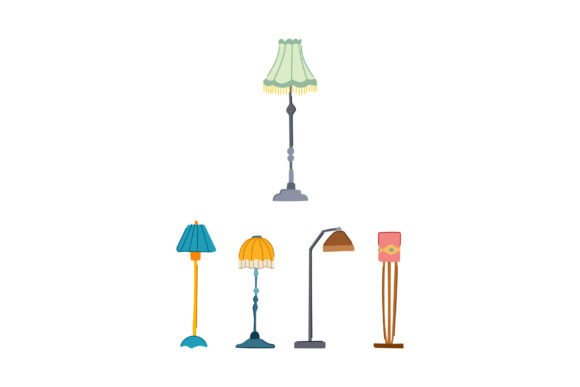
The market for floor lamps is vast, catering to both modern and classic aesthetics. For modern living spaces, arc lamps provide a sweeping, sculptural element that can illuminate a seating area without occupying valuable table space. Their clean lines and metallic finishes complement minimalist interiors, offering a sophisticated glow that feels intentional rather than incidental. On the other hand, traditional torchiere lamps with upward-facing shades bounce light off the ceiling, creating a soft, diffuse ambient light that reduces glare and eye strain.
When evaluating floor lamps, consider the scale relative to the room. A towering lamp in a small apartment may overwhelm the space, while a diminutive fixture in a large living room might get lost. The material quality also plays a significant role in long-term value. Brass, bronze, and solid wood bases offer durability and age gracefully, whereas cheaper plastics may degrade or look dated over time. Furthermore, the choice of bulb and shade material affects the warmth and direction of the light, allowing for further customization of the atmosphere.
Balancing Modern and Classic Aesthetics
One of the most challenging aspects of interior design is harmonizing different styles. Home Interior Lighting Objects Different in era and origin can coexist beautifully if handled with care. The key lies in finding common threads, such as material, color temperature, or form.
In a classic living space, characterized by heavy drapery, rich woods, and traditional furniture, lighting fixtures often feature intricate details. Crystal chandeliers, candelabra-style sconces, and lamps with fabric shades evoke a sense of history and elegance. However, integrating modern elements can prevent the space from feeling like a museum. A contemporary floor lamp with a simple geometric base can provide a striking contrast that refreshes the room without clashing.
Conversely, in modern spaces defined by open plans and neutral palettes, lighting serves as a focal point. Industrial-style pendant lights with exposed bulbs or sleek track lighting systems emphasize functionality and raw materials. Here, the introduction of a vintage-inspired table lamp can add warmth and personality, softening the sometimes cold perception of modern minimalism. The success of this mix-and-match approach depends on balance and restraint. Overloading a room with too many competing styles can lead to visual chaos.
Practical Considerations for Selection and Installation
Selecting the right lighting involves more than just aesthetics. Usability and energy efficiency are critical factors that determine long-term satisfaction. LED technology has revolutionized the industry, offering longevity and lower energy consumption compared to incandescent or halogen bulbs. When choosing fixtures, ensure they are compatible with LED bulbs, particularly regarding dimmability. Not all LEDs dim smoothly, and incompatible drivers can cause flickering or buzzing, which detracts from the user experience.
Placement is another practical consideration. For reading nooks, position floor lamps so that the light source is at shoulder level when seated, minimizing shadows on the page. In living areas, avoid placing lights directly behind seating where they might cause glare on television screens or windows. Layering light sources at different heights helps eliminate dark corners and creates a welcoming ambiance.
Maintenance should also be factored into the decision-making process. Fixtures with complex designs or fragile materials may require frequent cleaning and careful handling. Open-shade designs accumulate dust quickly, while enclosed fixtures protect the bulb but may trap heat. Understanding these trade-offs helps in choosing fixtures that align with your lifestyle and maintenance willingness.
Who Benefits Most from Diverse Lighting Solutions?
The benefits of exploring Home Interior Lighting Objects Different extend to a wide audience. Interior designers and architects rely on diverse lighting options to meet client specifications and achieve specific design goals. Real estate stagers use strategic lighting to make properties appear larger and more inviting. Homeowners and renters benefit from the ability to personalize their spaces without structural changes.
Freelancers and remote workers, in particular, gain from improved task lighting. Proper illumination reduces eye strain during long hours of computer work, enhancing productivity and comfort. Similarly, creators and photographers often use interior lighting setups to control the mood and quality of their content, making versatile fixtures like adjustable floor lamps essential tools in their workflow.
Small business owners, such as cafe or boutique operators, understand that lighting influences customer behavior. Warm, inviting light encourages lingering, while bright, focused light facilitates quick transactions. Applying these principles at home can similarly affect how residents interact with their spaces, promoting relaxation or activity as needed.
Limitations and Final Thoughts
While the variety of lighting options is advantageous, it can also lead to decision paralysis. The sheer number of choices in terms of style, size, and technology can be overwhelming. Additionally, high-quality designer fixtures often come with a premium price tag, which may not fit every budget. It is important to prioritize key areas where lighting has the most impact, such as living rooms and workspaces, and opt for more affordable solutions in less frequented areas.
Another limitation is the potential for inconsistent color temperatures if bulbs are not carefully matched. Mixing warm white and cool white lights in the same visual field can create a disjointed and unprofessional look. Always check the Kelvin rating of bulbs to ensure consistency across fixtures.
In conclusion, Home Interior Lighting Objects Different in design and function offer powerful tools for shaping the experience of a home. By understanding the roles of ambient, task, and accent lighting, and by thoughtfully selecting fixtures like floor lamps that bridge style and utility, individuals can create spaces that are both beautiful and functional. The key is to approach lighting not as an afterthought, but as an integral component of interior design that deserves careful planning and consideration. With the right choices, lighting transforms a house into a home, reflecting the personality and needs of those who inhabit it.