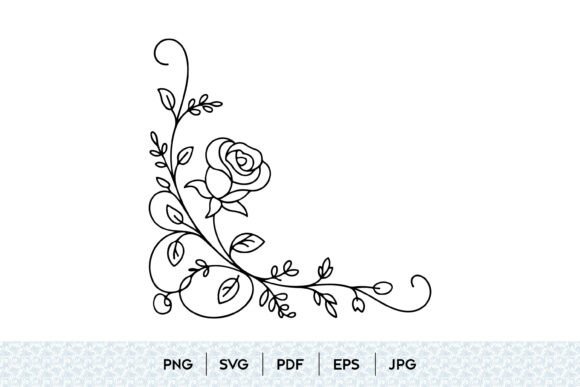
Rose Floral Corner Line Art: Elegant Design Assets
Visual storytelling often hinges on the smallest details. In graphic design, branding, and digital content creation, corner elements serve as subtle yet powerful anchors that guide the viewer’s eye and frame important information. Rose Floral Corner Line Art represents a sophisticated approach to this decorative necessity, blending the timeless romance of botanical imagery with the clean, modern appeal of minimalist line work. Unlike heavy, ornate illustrations that can overwhelm a layout, these delicate outlines offer versatility without sacrificing elegance.
For designers, marketers, and small business owners, understanding how to leverage such assets is crucial. This isn’t just about adding a pretty picture; it’s about enhancing brand identity, improving visual hierarchy, and creating a cohesive aesthetic across various media. Whether you are designing wedding invitations, packaging for a luxury skincare line, or social media graphics for a lifestyle blog, the right floral element can elevate the perceived value of your project.
The Aesthetic Appeal of Minimalist Botanicals
The charm of Rose Floral Corner Line Art lies in its restraint. By stripping away complex shading and vibrant colors, black line art focuses entirely on form and contour. This style, often referred to as contour illustration or artistic outline, captures the essence of a blooming rose through continuous, fluid strokes. The result is a piece of digital artwork that feels both hand-drawn and precisely engineered.
This duality makes it incredibly adaptable. The "hand drawn" quality adds a human touch, suggesting craftsmanship and care, which resonates deeply with audiences seeking authenticity. Simultaneously, the vector-based nature of files like SVG and EPS ensures that every curve remains crisp, whether scaled down for a business card or enlarged for a banner. This monochrome illustration style fits seamlessly into modern design trends that favor white space and clarity over clutter.
When we talk about vintage floral or classic ornament styles, we often imagine dense, intricate patterns. However, contemporary artwork has shifted toward abstraction and simplification. These floral corners bridge that gap. They evoke the romanticism of traditional botanical art but present it through a lens of modern typography and clean design principles. This makes them suitable not just for nostalgic projects, but for forward-thinking brands that want to appear refined and current.
Strategic Applications Across Creative Industries
Understanding where to place these decorative elements is key to maximizing their impact. Because they are designed specifically for corners, they naturally create boundaries and frames. Here is how different professionals can integrate these assets effectively:
- Editorial and Publishing: In magazine layouts or e-books, floral borders can separate chapters or highlight pull quotes. They add a touch of sophistication without distracting from the primary text, maintaining readability while enhancing the page’s visual rhythm.
- Brand Identity and Packaging: For beauty, wellness, or artisanal food brands, packaging design relies heavily on tactile and visual cues. A stylized rose corner on a label suggests natural ingredients and gentle care. It works exceptionally well with sans serif font logos, providing a soft counterpoint to rigid geometric lettering.
- Digital Marketing and Social Media: In an era of scrolling feeds, static images need to stop the thumb. Using floral decor as a frame for testimonials or product announcements creates a polished look. It signals professionalism and attention to detail, which builds trust with potential customers.
- Wedding and Event Stationery: This is perhaps the most traditional use case. However, instead of generic clipart, using high-quality, editable SVG files allows for custom color adjustments to match specific theme palettes. The elegant rose motif reinforces themes of love and celebration without appearing dated.
For web design, these elements can be used as subtle background textures or section dividers. Because they are available in transparent PNG formats, they layer easily over colored backgrounds or photographic images, adding depth without obscuring content.
Technical Versatility and File Formats
One of the significant advantages of purchasing comprehensive design assets like Rose Floral Corner Line Art is the variety of file formats included. Each format serves a distinct purpose in the workflow of a creative professional.
SVG (Scalable Vector Graphics) is essential for web developers and UI designers. It allows the image to scale infinitely without losing quality, ensuring sharp display on retina screens. Moreover, SVG code can be manipulated via CSS, enabling interactive hover effects or color changes dynamically on a website.
EPS and PDF files are the industry standard for print production. If you are sending designs to a professional printer for brochures, business cards, or large-format posters, these vector formats ensure that the lines remain smooth and free of pixelation. They are also fully editable in software like Adobe Illustrator, allowing designers to modify the stroke weight or extend the vines to fit unique dimensions.
PNG and JPG files cater to quick-use scenarios. For bloggers, social media managers, or non-designers using tools like Canva, these raster images are ready to drag and drop. The PNG format, with its transparent background, is particularly valuable for overlaying the floral corner onto existing photos or colored graphics without needing advanced editing skills.
Enhancing Brand Perception Through Detail
Consistency in visual language builds brand recognition. When a company uses a specific style of botanical illustration across its website, packaging, and social media, it creates a cohesive narrative. Rose Floral Corner Line Art contributes to this by establishing a tone of elegance and refinement.
Consider the psychological impact of line weight. Thinner lines suggest delicacy, precision, and luxury, often associated with high-end fashion or boutique services. Slightly bolder lines might convey strength and reliability, suitable for established institutions. By choosing the right variation within the collection, you align the visual asset with your brand’s personality.
Furthermore, these elements aid in visual hierarchy. In a crowded layout, the eye seeks structure. A floral corner acts as a visual anchor, directing attention toward the center of the composition where the core message or call-to-action resides. This subtle guidance improves user experience and engagement, ensuring that the audience focuses on what matters most.
Practical Tips for Integration and Licensing
Before integrating these assets into commercial projects, it is vital to review the licensing terms. Most premium font and design asset providers offer commercial licenses, but restrictions may apply regarding resale or mass production. Always verify that the license covers your intended use, whether it’s for client work, personal projects, or products for sale.
When pairing these floral elements with typography, balance is crucial. If your headline uses a bold, heavy display font, the delicate lines of the rose art provide a pleasing contrast. Conversely, if you are using a light, airy script font, ensure the floral lines are not so thin that they disappear against the background. Test your combinations at various sizes to ensure legibility and aesthetic harmony.
Finally, do not be afraid to experiment with color. While black line art is classic and versatile, changing the stroke color to a muted sage green, dusty pink, or deep navy can customize the asset to fit specific seasonal campaigns or brand guidelines. The editable nature of vector files makes this process simple and efficient, allowing for rapid iteration and creative exploration.
In conclusion, Rose Floral Corner Line Art is more than just a decorative addition; it is a strategic design tool. By understanding its visual characteristics, technical capabilities, and psychological impact, creators can use these botanical illustrations to enhance professionalism, engage audiences, and elevate the overall quality of their creative output.