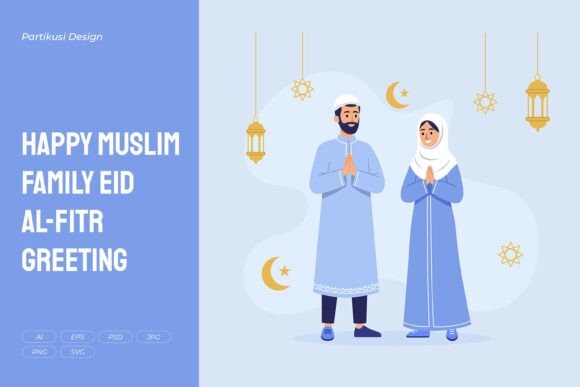
The Art of Connection: Using Happy Muslim Family Eid Al-Fitr Greeting Illustrations to Celebrate Tradition
In an increasingly digital world, the way we celebrate cultural and religious milestones has evolved. While the core values of faith, family, and community remain unchanged, the mediums through which we express these sentiments have expanded significantly. One powerful tool in this modern celebration toolkit is the Happy Muslim Family Eid Al-Fitr Greeting Illustration. This specific type of visual content serves not just as a decorative element, but as a bridge between tradition and contemporary design, allowing individuals and businesses to convey warmth, elegance, and respect during one of the most significant holidays in the Islamic calendar.
Eid Al-Fitr marks the end of Ramadan, the holy month of fasting. It is a time of joy, gratitude, and communal bonding. For designers, marketers, and families alike, finding the right visual representation for this occasion is crucial. A well-crafted illustration can capture the essence of the holiday—peace, unity, and festivity—in a single glance. By understanding the components and utility of these illustrations, we can better appreciate their role in modern communication.
Understanding the Visual Language of Eid
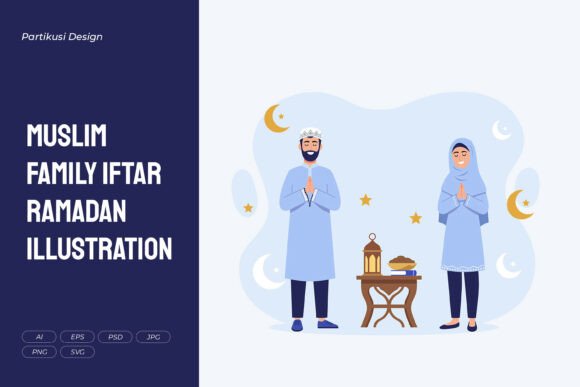
To create or select an effective greeting illustration, one must first understand the symbolic language inherent in Islamic art and culture. The description of a "warm and elegant flat vector illustration" highlights several key elements that resonate with audiences seeking authenticity.
- Traditional Islamic Clothing: Depicting family members in attire such as thobes, abayas, or hijabs grounds the image in cultural reality. It signals respect for tradition and helps viewers immediately identify the context of the celebration.
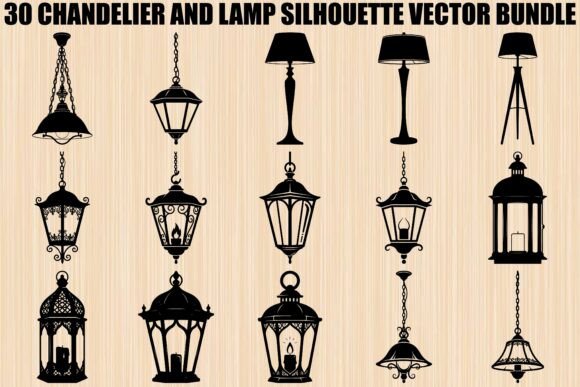
- Hanging Lanterns (Fanoos): These are iconic symbols of Ramadan and Eid. Historically used to light the way to mosques for night prayers, they now represent guidance, hope, and the festive spirit of the season.
- Crescent Moon Decorations: The crescent moon is a universal symbol of Islam, marking the beginning and end of lunar months. Its inclusion in artwork reinforces the timing and spiritual significance of the event.
- Festive Ornaments: Intricate geometric patterns or floral motifs often accompany these scenes, adding depth and reflecting the rich heritage of Islamic artistic expression.
When these elements are combined with soft pastel colors and clean outlines, the result is a visual that feels both modern and timeless. The choice of a flat design style ensures clarity and versatility, making it suitable for various digital and print applications without losing detail.
Why Design Quality Matters in Religious Contexts
It is a common misconception that religious or traditional content must look ancient or overly ornate to be authentic. However, modern design principles emphasize clarity and accessibility. A high-quality vector illustration offers several advantages that enhance the user experience:
- Scalability: Vector formats like AI, EPS, and SVG allow the image to be resized infinitely without pixelation. This means the same asset can be used on a small social media icon or a large outdoor banner.
- Customizability: Layered files (such as PSD or AI) enable designers to adjust colors, swap elements, or add text. This flexibility is vital for brands wanting to maintain their visual identity while celebrating the holiday.
- Emotional Resonance: A balanced composition with a soft color palette evokes feelings of peace and happiness. This aligns perfectly with the spirit of Eid, which is about reconciliation, charity, and joy.
By prioritizing clean lines and a modern aesthetic, these illustrations appeal to a broader audience, including younger generations who may connect more readily with contemporary graphic styles than with traditional calligraphy-heavy designs.
Practical Applications in Modern Life and Business
The utility of a Happy Muslim Family Eid Al-Fitr Greeting Illustration extends far beyond personal greeting cards. In today’s interconnected society, visual content is a primary driver of engagement across various sectors. Here is how these assets fit into different aspects of modern life and work:
1. Corporate Social Responsibility and Marketing
For businesses operating in multicultural environments, acknowledging religious holidays is a sign of inclusivity and respect. Using high-quality, culturally accurate illustrations in email newsletters, website banners, or social media posts demonstrates awareness and appreciation for Muslim employees and customers. It transforms a standard marketing campaign into a genuine gesture of goodwill.
2. Education and Community Engagement
Schools, non-profits, and community centers often organize events around Eid. Flyers, invitations, and educational materials benefit from friendly, approachable imagery. A cartoon-style illustration featuring a happy family can make information about upcoming events feel welcoming to children and parents alike, fostering a sense of community belonging.
3. Personal Digital Communication
On a personal level, the rise of digital greeting cards and social media stories has changed how we share wishes. Instead of generic text messages, individuals can create personalized visuals using editable templates. This adds a layer of thoughtfulness and creativity to personal interactions, strengthening bonds between friends and family members who may be geographically distant.
Navigating Common Misunderstandings
When working with religious imagery, it is essential to approach the subject with sensitivity. One common assumption is that all Islamic art must avoid human figures. While some interpretations of Islamic art traditionally focus on geometric and calligraphic forms due to aniconism (the avoidance of images of sentient beings), contemporary cultural expressions vary widely. Many modern Muslim communities embrace illustrative styles that depict family life, especially in the context of celebrations like Eid, where the focus is on communal joy and human connection.
However, respect remains paramount. Illustrations should portray subjects with dignity, modesty, and positivity. Avoiding stereotypes and ensuring that clothing and settings are accurate helps maintain this respect. The use of a "peaceful Islamic atmosphere" in design ensures that the focus remains on the spiritual and familial aspects of the holiday rather than caricature or exaggeration.
Technical Considerations for Designers
For those looking to utilize these resources, understanding the file formats is crucial for optimal results:
- AI and EPS: Ideal for professional designers using Adobe Illustrator. These formats preserve vector data, allowing for complete editing of shapes and paths.
- PSD: Best for users working in Photoshop. Layered PSD files allow for easy manipulation of individual elements, such as changing the color of a lantern or adjusting the background hue.
- SVG: Perfect for web developers. SVGs are lightweight and scale beautifully on websites, ensuring fast load times and crisp display on all devices.
- PNG and JPG: Suitable for quick use in social media posts or documents where editing is not required. PNGs offer transparency, which is useful for overlaying graphics on different backgrounds.
By selecting the appropriate format, users can ensure that their final output meets the technical requirements of their specific platform, whether it is a printed invitation or a digital ad.
Conclusion: Bridging Tradition and Technology
The Happy Muslim Family Eid Al-Fitr Greeting Illustration is more than just a graphic asset; it is a tool for cultural expression and connection. By combining traditional symbols like lanterns and crescent moons with modern design techniques such as flat vectors and pastel palettes, these illustrations offer a fresh yet respectful way to celebrate Eid. They serve diverse purposes, from enhancing corporate inclusivity to facilitating personal connections in a digital age.
As we continue to navigate a world where visual communication is dominant, the ability to convey complex cultural sentiments through simple, elegant design becomes increasingly valuable. Whether you are a designer creating a campaign, a business owner reaching out to clients, or an individual sending wishes to loved ones, choosing high-quality, thoughtful imagery can make a significant difference. It honors the spirit of the holiday while embracing the possibilities of modern creativity.
For those interested in exploring these resources further, many online platforms offer fully layered, editable vector illustrations that meet these high standards. By leveraging these tools, we can all contribute to a more inclusive and visually rich celebration of global traditions.