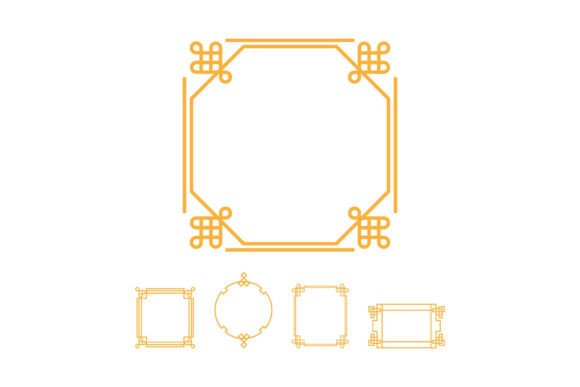
Elevate Designs with Ornate Asian Borders
In the fast-paced world of digital communication, capturing attention requires more than just bold colors or catchy headlines; it demands a sense of timeless elegance and cultural depth. This is where the Ornamental Asian Traditional Borders Cel becomes an indispensable tool for modern creators. By integrating these intricate visual elements, designers can instantly elevate a project from ordinary to extraordinary, adding a layer of sophistication that resonates with audiences seeking authenticity and beauty.
At its core, this collection offers a set of elegant ornate frames featuring intricate knot patterns and geometric shapes, providing a versatile design element for invitations, certificates, or decorative projects. For graphic designers and brand strategists, understanding how to leverage such assets is crucial for creating cohesive and impactful visual narratives. These borders are not merely decorative; they serve as structural anchors that guide the viewer’s eye and frame content with intention.
The Role of Cultural Aesthetics in Modern Branding
Incorporating traditional motifs into contemporary graphic design is a powerful way to establish a unique brand identity. The intricate knot patterns found in Asian art often symbolize continuity, harmony, and prosperity. When used in logo design or corporate stationery, these symbols can subtly communicate values of stability and heritage. However, the key lies in balance. Overusing complex patterns can clutter the visual field, so it is essential to pair these borders with ample white space and clean typography.
From a visual design perspective, these borders help establish a clear visual hierarchy. They define boundaries, separating key information from background noise. This is particularly useful in editorial design, where framing pull quotes or chapter headings with ornate lines can break up text-heavy layouts and improve readability. The geometric precision of these shapes also aligns well with modern aesthetics, proving that traditional elements can coexist seamlessly with minimalist trends.
Practical Applications Across Media
The versatility of these ornate frames extends far beyond print. Here is how creative professionals can integrate them into various workflows:
- Packaging Design: Use subtle border accents on product boxes to convey luxury and attention to detail, enhancing the unboxing experience.
- Social Media Graphics: Frame promotional quotes or event announcements to stop the scroll and increase engagement on platforms like Instagram and Pinterest.
- Web and UI Design: Incorporate simplified versions of these patterns as background textures or section dividers to add depth without compromising UX design principles.
- Certificates and Invitations: Leverage the full intricacy of the knot patterns to create formal documents that feel prestigious and official.
Best Practices for Integration
To ensure these design assets enhance rather than overwhelm your project, consider the following guidelines. First, prioritize consistency. If you choose a specific style of knot pattern, stick to it throughout the campaign to maintain a cohesive look. Second, pay attention to the color palette. Traditional Asian borders often look striking in gold, deep red, or jade green, but they can also be adapted to monochrome schemes for a more understated, contemporary feel.
Scalability is another critical factor. Ensure that the vector files or high-resolution images you use remain crisp when resized. Blurry edges can detract from the professional presentation of any creative project. Additionally, consider the audience. While these elements evoke tradition, they should be applied in a way that feels relevant to the target demographic, whether that means using them for a cultural festival poster or a high-end boutique’s digital marketing materials.
When combining these borders with other creative assets, let the typography breathe. Pair ornate frames with simple, sans-serif fonts to create contrast, or use elegant serif fonts to reinforce the classic vibe. Avoid placing text directly over the most complex parts of the knot patterns, as this can hinder legibility. Instead, use the borders to frame the text, allowing the content to stand out clearly against a clean background.
Ultimately, the goal of using such detailed design elements is to enhance communication, not obscure it. By thoughtfully selecting and applying the Ornamental Asian Traditional Borders Cel, designers can create work that is not only visually stunning but also functionally effective. Whether you are working on advertising campaigns, merchandise, or digital products, these frames offer a refined touch that speaks to quality and craftsmanship. Embrace the fusion of tradition and innovation to craft designs that leave a lasting impression.