Ornate Iron Gate with Brick Pillars
The entrance to a property is more than just a physical boundary; it is the opening statement of your architectural narrative. An ornate iron entrance gate with brick pillars serves as a powerful fusion of durability and artistry, offering a level of curb appeal that few other structures can match. This combination brings together the rugged permanence of masonry with the delicate, customizable beauty of wrought ironwork. For many, the decision to install such a feature is not merely about security, but about defining the character of a home or business from the very first glance.
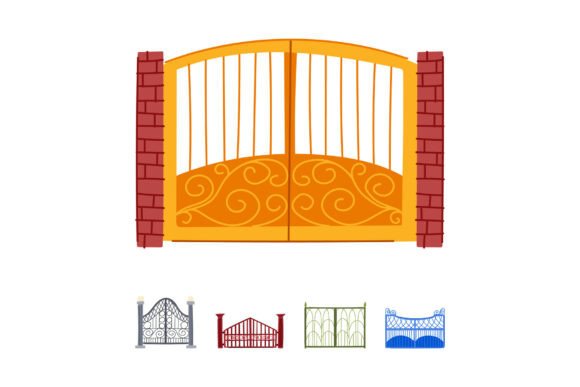
When we look at collections of decorative gates, particularly those featuring prominent golden entrances with intricate scrollwork, we see a spectrum of design possibilities. These gates provide essential security while elevating the aesthetic value of property boundaries. However, the relevance of this investment varies significantly depending on who is making the decision. A homeowner, a small business owner, and a landscape architect will all evaluate the same gate through different lenses, prioritizing factors like cost, maintenance, brand image, or historical accuracy.
Understanding the Structural Harmony
To appreciate the value of an ornate iron gate paired with brick pillars, one must understand the synergy between the materials. Brick pillars provide the necessary structural anchor. Iron gates, especially large or heavy ones with elaborate designs, require robust support to function smoothly over decades. The brickwork offers stability against wind loads and daily use, while the iron provides the visual lightness and intricacy that solid wood or metal sheets cannot achieve.
The "ornate" aspect refers to the craftsmanship involved. Intricate scrollwork, floral motifs, and geometric patterns are forged into the metal, often finished with protective coatings to prevent rust. When these elements are combined with the textured, earthy tones of brick, the result is a balanced composition that feels both grounded and elegant. This duality is what makes the style timeless, appealing to traditionalists and modern designers alike who seek texture and contrast in their exterior designs.
Perspectives from Different Audiences
The utility and appeal of an ornate iron entrance gate with brick pillars shift dramatically based on the user’s goals. Understanding these perspectives can help you determine if this architectural element aligns with your specific needs.
For Homeowners and Hobbyists
For residential property owners, the primary drivers are often curb appeal and security. A hobbyist gardener or a homeowner proud of their landscaping views the gate as a frame for their outdoor living space. Here, the priority is aesthetic harmony. Does the golden hue of the iron complement the brick color? Does the scrollwork mirror the details on the house’s facade?
Practical considerations for this group include ease of operation and maintenance. A beginner in home improvement might worry about the complexity of installing automated openers on heavy iron gates. They need solutions that are reliable but not overly technical. For them, the value lies in the long-term enjoyment of a beautiful entrance that requires minimal upkeep beyond occasional cleaning and touch-ups on the finish.
For Small Business Owners and Entrepreneurs
Entrepreneurs and small business owners view the entrance as a branding tool. A prominent golden entrance with intricate details signals quality, stability, and attention to detail. For a boutique hotel, a law firm, or a high-end retail store, the gate sets the tone for the customer experience before they even step inside.
In this context, the decision-making process focuses on commercial value and presentation. The gate must convey professionalism and exclusivity. Business owners may prioritize customization options that incorporate logos or specific design motifs that align with their brand identity. Durability is also critical, as commercial properties face higher foot and vehicle traffic. The investment is justified by the potential to attract clientele who associate the physical environment with the quality of service provided.
For Creators and Design Professionals
Architects, interior designers, and content creators approach the subject with an eye for creativity and visual storytelling. For a photographer or blogger, an ornate gate provides a stunning backdrop for visual content. The interplay of light through the scrollwork, the texture of the brick, and the shine of the gold finish offer rich material for artistic expression.
Professionals in this sector evaluate the gate based on its flexibility in design and its ability to integrate with various architectural styles. They might analyze how the gate functions in different lighting conditions or how it complements surrounding greenery. For educators teaching design principles, such a gate serves as a practical example of balance, contrast, and rhythm in structural aesthetics.
Evaluating Priorities: Cost, Quality, and Longevity
Regardless of your role, several universal factors influence the decision to install an ornate iron gate with brick pillars. Recognizing these priorities helps in making an informed choice.
- Quality of Materials: Not all iron is created equal. Wrought iron is traditional and malleable, allowing for complex designs, but it requires regular maintenance to prevent rust. Modern alternatives like aluminum or steel with powder coating offer similar aesthetics with greater durability and less upkeep. The brickwork must also be high-quality, using weather-resistant mortar to ensure the pillars remain stable.
- Cost vs. Value: This is a significant investment. Custom scrollwork and hand-forged details increase the price. However, the long-term value includes increased property valuation and enhanced security. Buyers should weigh the initial cost against the lifespan of the product. A well-made gate can last generations, making it a cost-effective choice over time.
- Security Features: While aesthetics are paramount, the gate must fulfill its primary function of protection. Look for designs that do not compromise security for beauty. Reinforced locking mechanisms and sturdy hinges are essential. The height and spacing of the iron bars should deter unauthorized entry while maintaining visibility.
- Installation Complexity: Installing brick pillars and hanging heavy iron gates is not a DIY project for most. It requires professional expertise to ensure alignment and structural integrity. Factor in labor costs and the time required for proper installation, which includes curing time for the brick mortar.
Making the Right Choice for Your Project
To determine if an ornate iron entrance gate with brick pillars is right for you, consider your long-term goals. If you are looking for a quick, low-cost solution, this may not be the ideal choice. However, if you value architectural elegance, lasting durability, and a strong first impression, the benefits are substantial.
For beginners, start by exploring standard designs to understand the range of available styles. Visit showrooms or browse online collections to see how different finishes interact with various brick colors. For professionals, focus on customizability and integration with existing structures. Ask suppliers about warranty periods and maintenance requirements to ensure the product meets your standards for reliability.
Ultimately, the collection of various decorative gates offers something for everyone. Whether you are drawn to the classic charm of black iron or the luxurious statement of a golden entrance, the key is finding a design that resonates with your personal or professional identity. By balancing aesthetic desires with practical needs, you can create an entrance that is not only secure but also a source of pride and beauty for years to come.
Remember, the best choice is one that aligns with your specific context. Take the time to assess your property, your budget, and your vision. With careful planning, an ornate iron gate with brick pillars can transform a simple boundary into a remarkable architectural feature.