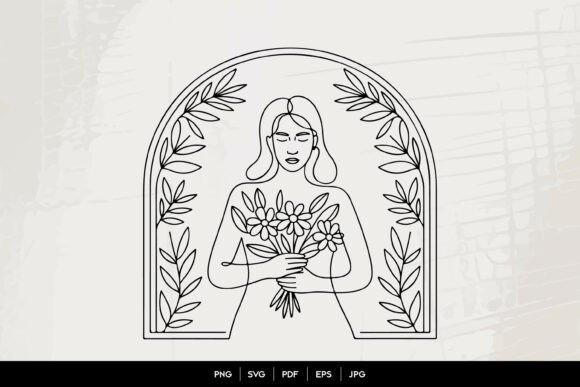
Mastering Woman with Flowers Line Art: A Guide to Quality and Usability
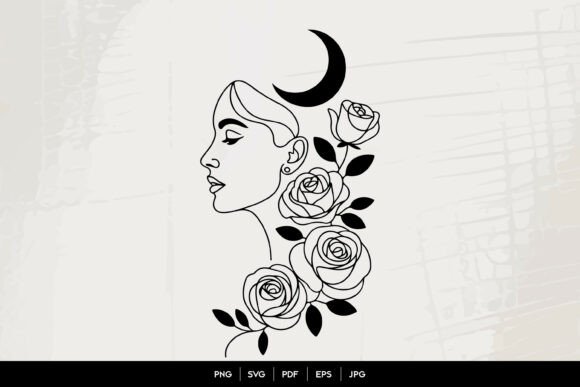
The aesthetic appeal of Woman with Flowers Line Art lies in its deceptive simplicity. At first glance, a continuous line drawing or a minimalist contour portrait appears effortless. However, for creators, entrepreneurs, and hobbyists looking to integrate these designs into products, marketing materials, or home decor, the difference between a professional result and an amateurish one often comes down to file quality and technical understanding. Many buyers rush into purchasing digital assets without verifying their versatility, leading to frustration when scaling images for large prints or editing them for specific brand needs.
Understanding the nuances of this art form is crucial. Whether you are designing a wedding invitation, creating a sublimation print for a tote bag, or decorating a modern living space, the source file determines your creative freedom. This guide addresses common pitfalls in selecting and using floral woman illustrations, ensuring you make informed decisions that save time and money.
The Trap of Low-Resolution Raster Files
One of the most frequent mistakes beginners make is assuming all image files are created equal. You might find a beautiful abstract female portrait listed as a JPEG or PNG. While these formats are excellent for web use, they are raster-based, meaning they are made of pixels. If you attempt to enlarge a low-resolution JPG for a wall poster or a large canvas print, the image will become pixelated and blurry. This destroys the clean, elegant lines that define this style.
The Better Approach: Always prioritize vector formats like SVG, EPS, or PDF when available. Vector files use mathematical paths rather than pixels, allowing you to scale the floral woman svg from the size of a business card to a billboard without any loss in quality. If you only have access to raster files, ensure the resolution is at least 300 DPI (dots per inch) at the intended print size. For digital-only use, such as social media posts, high-quality PNGs with transparent backgrounds are acceptable, but they lack the editing flexibility of vectors.
Overlooking Editability and Layer Structure
Many users download a modern line artwork file only to discover it is a flattened image. This means you cannot change the color of the flowers separately from the woman’s outline, nor can you adjust the thickness of specific lines. For marketers and small business owners who need to match brand colors, this is a significant limitation. A flattened black line artwork forces you to use complex masking techniques in photo editing software, which is inefficient and often yields poor results.
To avoid this, check the product description for mentions of "editable layers" or "separate elements." A well-constructed botanical woman design in SVG or EPS format should allow you to ungroup elements. This lets you recolor the flower bouquet illustration independently from the contour woman face. Before purchasing, look for previews that show the file opened in design software like Adobe Illustrator or Inkscape. If the seller provides only a static preview, consider reaching out to ask if the vectors are layered. This small step can save hours of redesign work later.
Misjudging Style Consistency and Complexity
Not all line art is suitable for every application. A common oversight is choosing a highly detailed abstract botanical portrait for a small item, such as a jewelry tag or a favicon. Intricate continuous line art can become muddy and indistinguishable when shrunk down. Conversely, using an overly simple minimalist woman drawing for a large feature wall may look sparse and unfinished if not paired with adequate negative space or complementary design elements.
Practical Advice: Match the complexity of the feminine silhouette design to the final output size. For small-scale prints, opt for bold, clear outlines with fewer intersecting lines. For large-scale botanical wall art, you can afford more intricate details in the floral outline illustration. Always print a test copy at actual size before committing to a full production run. This helps you evaluate whether the elegant female outline maintains its integrity and visual impact at the desired dimensions.
Ignoring Licensing and Commercial Use Rights
For freelancers and entrepreneurs, the legal aspect of using woman line art is critical. Many free or low-cost downloads come with personal-use-only licenses. Using these assets for client projects or products you sell can lead to copyright strikes and legal issues. It is easy to overlook the fine print when excited by a trendy aesthetic woman art piece.
Always verify the license type. Look for terms like "Commercial Use Allowed" or "Extended License." Reputable sellers will clearly state what you can and cannot do with the printable wall decor files. If you plan to sell physical products featuring the flower girl illustration, ensure the license covers end-product sales. When in doubt, contact the creator directly. Investing in properly licensed assets protects your business reputation and ensures ethical support for artists.
Neglecting File Compatibility
You may purchase a premium modern botanical svg package only to realize your cutting machine or design software does not support the provided format. While SVG is widely supported, some older systems prefer DXF or PDF. Similarly, EPS files are standard in professional printing but may not open correctly in basic consumer apps.
Checklist Before Buying:
- Confirm which software you will use (e.g., Cricut Design Space, Silhouette Studio, Adobe Illustrator, Canva).
- Verify that the package includes compatible formats. A comprehensive bundle should offer PNG, SVG, EPS, JPG, and PDF options.
- Test a free sample if available to ensure the paths are closed and clean, which is essential for cutting machines.
Choosing the Right Composition for Your Project
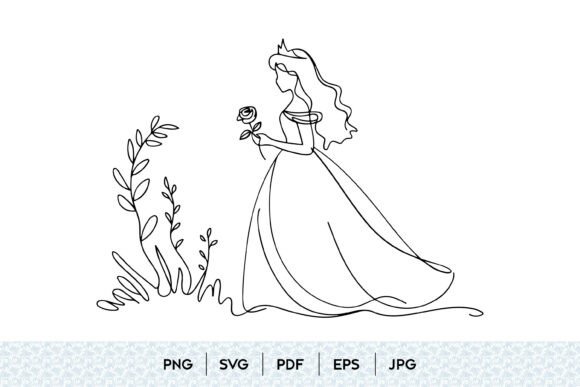
The composition of the artistic female portrait matters. Some designs feature a woman holding flowers in a way that creates natural framing, ideal for inserting text or logos. Others are standalone portraits better suited for focal points. Misaligning the composition with your layout needs can result in cramped designs or awkward white space.
Look for botanical frame art if you need to incorporate typography. These designs often use the floral elements to create a border, leaving the center open for messages. For standalone decor, a balanced one line drawing works best. Consider the orientation as well; ensure the aspect ratio fits your medium, whether it is a vertical bookmark or a horizontal banner.
In conclusion, selecting the right Woman with Flowers Line Art involves more than just picking a pretty image. By focusing on file types, editability, scale appropriateness, licensing, and compatibility, you ensure that your final project looks professional and polished. Take the time to evaluate these technical details, and you will unlock the full potential of these elegant and versatile designs.