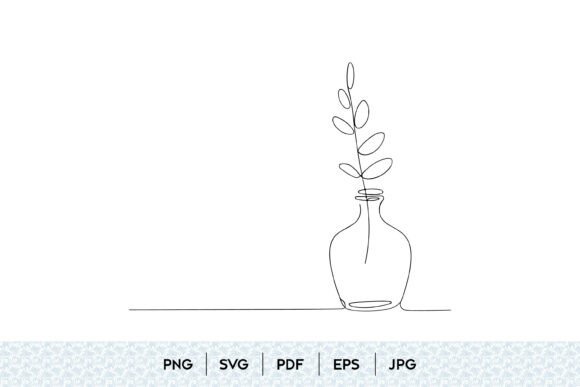
Minimalist Vase One Line SVG Guide
In the realm of contemporary visual design, simplicity often speaks louder than complexity. A Minimalist Vase One Line SVG captures this essence perfectly, offering a sophisticated blend of organic form and geometric precision that resonates with modern audiences. This specific style of continuous line drawing has transcended its origins in fine art to become a staple asset for professional graphic designers seeking to elevate brand identity and user experience through clean, elegant visuals.
The Power of Continuous Line Art in Branding
From a professional perspective, the appeal of single-line illustrations lies in their versatility and scalability. Unlike raster images, vector formats such as SVG ensure that every curve and contour remains crisp regardless of size. This makes them invaluable for creating cohesive brand systems where consistency is paramount. When you integrate a minimalist botanical element into a logo or packaging design, you are not just adding decoration; you are establishing a visual language that communicates sophistication, calm, and attention to detail.
The "one line" technique creates a sense of fluidity and movement. It suggests that the object was drawn in a single, confident stroke, which can subconsciously convey efficiency and clarity to the viewer. For businesses in lifestyle, wellness, or interior decor sectors, this aesthetic aligns seamlessly with values of mindfulness and natural living.
Practical Applications Across Design Mediums
Understanding how to deploy these assets effectively requires looking beyond static images. The utility of a high-quality vase silhouette extends across various touchpoints in the customer journey. Here is how designers can leverage these elements:
- Packaging Design: Use subtle line art on product boxes to create an unboxing experience that feels premium and curated without overwhelming the primary label information.
- Social Media Graphics: Incorporate floral outlines as background textures or frame elements to maintain visual hierarchy while keeping the focus on promotional copy.
- Web and UI Design: Utilize lightweight SVG files to enhance loading speeds while adding artistic flair to landing pages, ensuring the interface remains responsive and accessible.
- Editorial Layouts: Break up dense text blocks in magazines or eBooks with elegant plant stem illustrations that guide the reader’s eye naturally down the page.
Ensuring Visual Harmony and Usability
While the aesthetic appeal is immediate, the technical execution determines the long-term value of the asset. When selecting a Minimalist Vase One Line SVG for your next project, consider the weight of the stroke relative to your typography. A thick, bold line may clash with delicate serif fonts, whereas a thin, refined stroke complements modern sans-serif typefaces beautifully. This balance is crucial for maintaining readability and ensuring that the decorative element supports rather than distracts from the core message.
Furthermore, color palette selection plays a pivotal role. While black line decor is timeless and versatile, experimenting with muted earth tones or pastel shades can adapt the illustration to fit specific seasonal campaigns or brand guidelines. The key is restraint. In minimalist design, every element must earn its place on the canvas. Overusing botanical clipart can dilute the impact, so use these vectors strategically to highlight key areas or create breathing room in crowded layouts.
Optimizing Your Design Workflow
Efficiency in creative projects often depends on having the right file formats at hand. A comprehensive resource package typically includes PNG, JPG, EPS, SVG, and PDF versions. Each serves a distinct purpose in the design workflow:
- SVG and EPS: Essential for scalable graphics in logo design, web development, and large-format printing like banners or signage.
- PNG (300 ppi): Ideal for digital mockups and social media posts where transparency is needed to layer the image over different backgrounds.
- PDF: Perfect for client presentations and print-ready documents where vector fidelity must be preserved without requiring specialized design software.
By organizing these assets properly, designers can streamline their process, reducing time spent on conversion and formatting. This allows more focus on the creative aspects, such as composition and narrative structure.
Ultimately, the integration of high-quality line art into your visual strategy is about more than following trends. It is about choosing tools that enhance communication and resonate with your audience on an emotional level. Whether you are crafting a new brand identity or refreshing existing marketing materials, thoughtful selection of minimalist elements ensures that your design remains relevant, professional, and visually compelling. Embrace the elegance of simplicity, and let each line contribute meaningfully to your overall design story.