Modern Hexagonal Glass Terrariums for Stylish Interiors
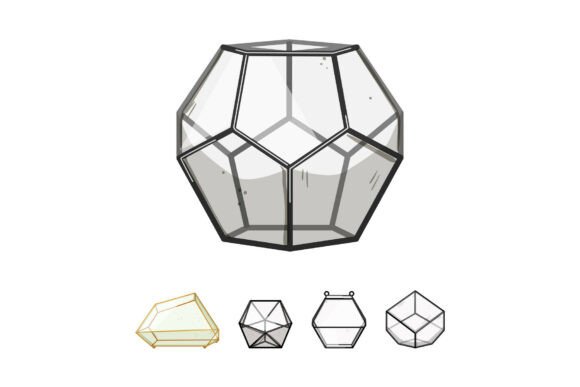
The intersection of botany and architecture has never been more visually striking than in the rise of the Glass Terrarium Geometric Hexagonal Shap. For decades, indoor gardening was largely defined by traditional clay pots or simple glass bowls. Today, however, the demand for decor that serves dual purposes—functionality and aesthetic statement—has pushed designers to explore complex forms. The hexagonal terrarium stands out not just as a container for plants, but as a piece of sculptural art that brings structure, light, and life into modern spaces.
These containers are more than mere vessels; they are curated environments. By combining the organic unpredictability of succulents with the rigid precision of geometric glass panels, you create a dynamic contrast that appeals to both nature lovers and design purists. Whether you are a freelancer looking to brighten your home office, a marketer seeking unique product photography props, or a homeowner aiming to elevate your living room decor, understanding the nuances of these geometric structures can transform how you approach interior styling.
The Allure of Geometric Precision
What makes the Glass Terrarium Geometric Hexagonal Shap so compelling is its ability to command attention without overwhelming a space. Unlike spherical globes, which can sometimes feel generic, or cubic boxes, which may appear too industrial, the hexagon offers a sophisticated middle ground. It references natural patterns found in honeycombs and basalt columns, creating an subconscious link to nature even before a plant is placed inside.
The clarity of high-quality glass allows light to penetrate from multiple angles, which is crucial for the health of light-loving plants like succulents and air plants. Furthermore, the angular facets catch and refract ambient light, adding a subtle sparkle to shelves, desks, or mantels. This interplay of light and shadow changes throughout the day, making the terrarium a living, breathing element of your decor rather than a static object.
Key Characteristics to Look For
When evaluating a geometric terrarium, several factors determine its quality and longevity:
- Glass Thickness and Clarity: Opt for tempered or thick clear glass. Thin glass is prone to breaking and often distorts the view of the plants inside. Low-iron glass offers superior clarity with less greenish tint.
- Joint Construction: The seams where glass panels meet are critical. High-end models use copper foil or brass framing, which not only adds structural integrity but also introduces a warm metallic accent that complements the greenery.
- Ventilation: While some geometric shapes are fully sealed, many hexagonal designs feature open tops or removable panels. This is essential for preventing excess humidity buildup, which can lead to mold or root rot in succulents.
- Scale and Proportion: Consider the footprint. A large hexagonal prism makes a bold floor statement, while smaller dodecahedron-style hexagonal variants fit perfectly on crowded bookshelves.
Practical Applications Across Environments
The versatility of the Glass Terrarium Geometric Hexagonal Shap extends far beyond the living room. Its clean lines and modern vibe make it suitable for a variety of professional and creative settings.
Enhancing Professional Workspaces
In corporate offices or co-working spaces, biophilic design—the concept of connecting occupants to nature—is proven to reduce stress and boost productivity. A geometric terrarium on a desk serves as a micro-retreat. It requires minimal maintenance compared to large potted plants, making it ideal for busy professionals. The structured look aligns well with modern office aesthetics, conveying a sense of order and calm.
Creative and Commercial Uses
For photographers, stylists, and content creators, these terrariums are invaluable props. Their reflective surfaces and intricate shapes add depth and interest to product shots, particularly for jewelry, cosmetics, or tech gadgets. Retailers also utilize them as display units for small merchandise, turning everyday items into featured attractions. The transparent nature of the container ensures that the focus remains on the contents, whether they are rare succulents or curated collectibles.
Educational and Community Settings
Educators can use geometric terrariums to teach principles of geometry, biology, and ecology. Building a terrarium involves understanding soil layers, drainage, and plant needs, offering a hands-on learning experience. The geometric aspect adds a mathematical dimension, allowing students to explore symmetry and spatial reasoning. In community centers or libraries, these displays can serve as engaging focal points that spark conversation about sustainability and urban gardening.
Selecting the Right Plants for Your Geometry
Choosing the right flora is as important as selecting the container. The Glass Terrarium Geometric Hexagonal Shap works best with plants that thrive in low-humidity, high-light environments. Succulents such as Echeveria, Haworthia, and Jade plants are excellent choices due to their compact growth habits and architectural forms. Air plants (Tillandsia) are another popular option, as they require no soil and can be arranged creatively within the geometric confines.
Avoid ferns or mosses unless the terrarium is specifically designed with adequate ventilation and humidity control. These plants prefer moist environments that can quickly turn a sealed geometric glass box into a fungal breeding ground. Instead, focus on drought-tolerant species that mirror the sharp, clean lines of the container.
Maintenance and Long-Term Care
One of the primary benefits of geometric glass terrariums is their relatively low maintenance. However, they are not entirely hands-off. Dust accumulation on the glass panels can diminish the visual impact and block sunlight. Regularly wipe the exterior with a microfiber cloth and a mild glass cleaner. Inside, remove any dead leaves promptly to prevent decay.
Watering should be done sparingly. Use a squeeze bottle or pipette to direct water precisely to the base of the plants, avoiding the leaves and the glass joints. Overwatering is the most common cause of failure in these setups. If condensation persists on the glass for more than a few hours after watering, increase ventilation by leaving the top open or removing a panel temporarily.
Final Thoughts on Modern Green Decor
The Glass Terrarium Geometric Hexagonal Shap represents a harmonious blend of form and function. It offers a way to integrate nature into our increasingly digital and structured lives without sacrificing style. Whether used as a solitary statement piece or part of a larger gallery wall of plants, these geometric containers provide a modern framework for showcasing the beauty of the natural world. By choosing quality materials and appropriate plants, you create a lasting decorative element that enhances both the aesthetic and emotional quality of your space.