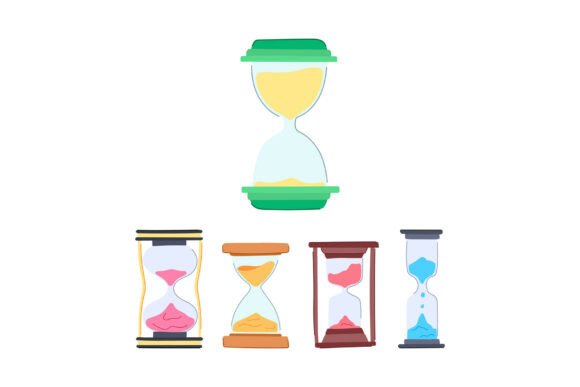
Sandglasses Measuring Time with Falling: A Tangible Tool for Focus and Flow
In an era dominated by digital notifications, blinking cursors, and infinite scrolling, the simple act of watching sand fall through a narrow neck offers a profound psychological reset. Sandglasses measuring time with falling grains provide more than just a retro aesthetic; they serve as a physical anchor for our attention. Unlike the abstract numbers on a smartphone clock, which can feel detached from the reality of passing moments, an hourglass makes time visible, tangible, and finite. This visual representation helps individuals manage deadlines, structure work processes, and cultivate a deeper sense of presence in their daily routines.
The resurgence of interest in analog tools is not merely nostalgic. It is a practical response to digital fatigue. When we rely solely on screens to track our productivity, we often succumb to the "out of sight, out of mind" phenomenon regarding how we spend our hours. By integrating various decorative sandglasses with different framing and vibrant sand colors into your workspace or home environment, you create a constant, gentle reminder of the passage of time. This article explores how these timeless instruments can help you reclaim control over your schedule, reduce anxiety around deadlines, and improve the quality of your focus.
Understanding the Psychology of Visible Time
To understand why sandglasses measuring time with falling sand are effective, we must first look at how humans perceive duration. Digital timers are binary: they are either running or stopped, and the remaining time is often hidden behind a lock screen or minimized window. An hourglass, however, is continuous. The steady stream of sand provides immediate feedback on progress. This aligns with the concept of "time boxing," a productivity method where you allocate a fixed period to a specific task.
When you flip an hourglass, you make a commitment. The physical act signals to your brain that a session has begun. As the sand accumulates in the bottom bulb, you can visually gauge how much effort remains. This reduces the cognitive load of constantly checking the clock, allowing you to stay in a state of flow. For many adults juggling multiple responsibilities, this reduction in mental switching costs is invaluable. The vibrant sand colors often found in modern decorative models further enhance this effect, turning a mundane tool into a focal point that draws the eye and centers the mind.
Addressing Common Productivity Challenges
Many professionals and students struggle with similar hurdles: procrastination, difficulty estimating how long tasks take, and burnout from prolonged concentration. Sandglasses measuring time with falling particles offer specific solutions to these issues.
- Combating Procrastination: Starting a large project can feel overwhelming. Using a small 5-minute or 15-minute hourglass lowers the barrier to entry. You are not committing to hours of work, but merely to the duration it takes for the sand to run out. This "micro-commitment" often builds enough momentum to continue working after the timer ends.
- Improving Time Estimation: We are notoriously bad at guessing how long tasks will take. By using an hourglass for repetitive activities, such as answering emails or cleaning, you develop a better intuitive sense of duration. Over time, you learn what "one full cycle" of work looks like, leading to more realistic planning.
- Managing Burnout: Continuous work without breaks leads to diminishing returns. Decorative sandglasses can serve as prompts for rest. When the sand runs out, it is a clear, non-negotiable signal to stand up, stretch, or look away from the screen. This enforced pause helps maintain energy levels throughout the day.
Practical Applications in Daily Life
The versatility of hourglasses means they can be adapted to various contexts beyond traditional office work. Here are several ways to implement them effectively:
The Pomodoro Technique Adaptation
While the classic Pomodoro technique uses a 25-minute timer, you can customize this approach using sandglasses measuring time with falling sand in intervals that suit your workflow. A 30-minute hourglass is ideal for deep work sessions, while a 5-minute glass is perfect for quick brainstorming or cooling down. The lack of auditory alarms associated with many digital timers also makes hourglasses suitable for shared spaces, libraries, or households where silence is valued.
Mindfulness and Meditation
For those practicing mindfulness, watching the sand fall can be a meditation object in itself. The rhythmic, predictable nature of the falling grains helps calm a racing mind. Choosing an hourglass with vibrant sand colors, such as deep blue or bright orange, can add a sensory element that aids in grounding techniques. This application transforms the tool from a productivity device into a wellness resource.
Family and Educational Settings
Parents and educators find that children respond well to visual timers. Explaining abstract concepts like "ten more minutes" is difficult for young minds, but showing them a pile of sand disappearing is concrete. It helps children understand the concept of waiting and transitions between activities, reducing tantrums and resistance. Different framing styles can also appeal to different age groups, making the tool engaging rather than punitive.
Selecting the Right Hourglass for Your Needs
Not all hourglasses are created equal. When choosing sandglasses measuring time with falling mechanisms, consider the following factors to ensure the tool serves your specific goals:
- Duration: Match the timer length to the task. Short durations (1–5 minutes) are best for habits like brushing teeth or quick breaks. Medium durations (15–30 minutes) suit focused work blocks. Long durations (60 minutes) are ideal for lectures or extended study sessions.
- Aesthetics and Framing: Since these items often sit on desks or shelves, the design matters. Wooden frames offer warmth and tradition, while metal or acrylic frames provide a modern, industrial look. The visual appeal ensures you keep the tool visible, which is crucial for its effectiveness.
- Sand Color and Visibility: High-contrast sand colors against the glass background improve readability. Vibrant hues can also influence mood; calming blues for stress reduction or energetic reds for urgent tasks.
- Accuracy: Understand that hourglasses are not precision instruments like atomic clocks. They are designed for approximation. If you need second-by-second accuracy for scientific experiments, an hourglass is not the right tool. However, for general productivity and lifestyle management, their slight variance is negligible and often adds to their charm.
Different Approaches for Different Users
How you integrate sandglasses measuring time with falling sand into your life depends on your personal workflow. Creative professionals might use them to limit perfectionism, forcing themselves to move on when the sand runs out. Analytical thinkers might use multiple hourglasses to track different phases of a project simultaneously. Parents might use them to create predictable routines for children. The key is experimentation. Start with one hourglass and observe how it affects your behavior. Adjust the duration and placement until it becomes a seamless part of your rhythm.
Ultimately, the value of these devices lies in their simplicity. In a complex world, sandglasses measuring time with falling grains offer a clear, unambiguous measure of progress. They remind us that time is a resource that flows continuously and cannot be stored. By making this flow visible, we are better equipped to use it wisely, ensuring that our actions align with our priorities. Whether you seek to boost productivity, enhance mindfulness, or simply add a touch of elegance to your desk, an hourglass is a timeless investment in intentional living.