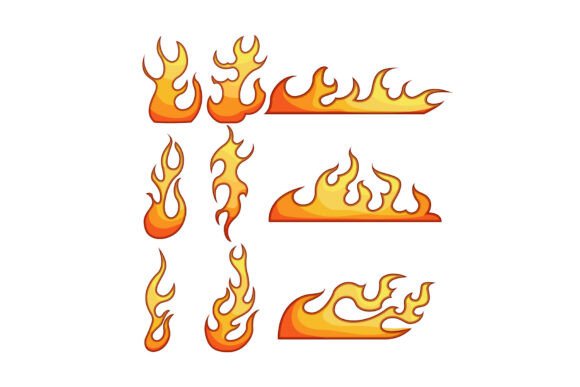
Flame Decals Design Elements: Creating Fiery Visuals for Speed, Heat, and Style
There is a visceral reaction we all have to the sight of fire. It commands attention, suggests movement, and implies raw power. This is precisely why Flame Decals Design Elements Creating Fi stylized graphics remain a cornerstone of visual communication across so many industries. Whether you are looking to convey the sheer velocity of a racing vehicle or add an edge to a personal tattoo design, these vector elements offer a versatile toolkit for designers and enthusiasts alike. The appeal lies not just in the color red or orange, but in the dynamic shapes and orientations that mimic the unpredictable, flowing nature of actual combustion.
When we talk about these design elements, we are referring to high-quality, scalable vector graphics that can be manipulated without losing clarity. Unlike raster images, which pixelate when enlarged, vector flame decals maintain crisp edges whether they are printed on a small business card or wrapped around the side of a semi-truck. This technical advantage makes them ideal for logos, branding, and large-scale decorative applications where precision is non-negotiable.
The Automotive and Motorsport Connection
Perhaps the most iconic use case for flame decals is in the automotive world. For decades, hot rods, muscle cars, and drag racers have utilized flames to visually communicate speed and engine heat. However, modern application goes far beyond the classic "ghost flames" of the 1950s. Today’s designers use varied shapes and orientations to create a sense of aerodynamic flow.
Consider a motorcycle fairing. A static image might look out of place, but a stylized flame decal that sweeps backward from the front wheel well creates an optical illusion of forward motion, even when the bike is parked. This is crucial for brands selling performance parts. If you are designing a logo for a new exhaust system or a tuning shop, incorporating these fiery elements signals to your audience that your product handles high temperatures and delivers high performance. It is a shorthand language that gearheads understand instantly.
For individual car owners, custom vinyl wraps using these vector elements allow for personalization without the permanence of paint. The ability to choose specific orientations—whether aggressive, jagged spikes or smooth, rolling tongues of fire—allows the owner to match the decal to the car’s body lines. A sleek sports car might benefit from long, streamlined flames, while a rugged off-roader might suit more chaotic, burst-like designs.
Branding Energy and Intensity
Beyond vehicles, these design elements are powerful tools for corporate branding, particularly in industries related to energy, fitness, and food. Think about a new energy drink launch. The packaging needs to scream vitality and kick. A subtle, stylized flame element integrated into the logo or background pattern can subconsciously suggest warmth, metabolism, and alertness.
In the fitness industry, gyms and personal trainers often use flame imagery to represent burning calories and intense workouts. A logo featuring a stylized flame can differentiate a high-intensity interval training (HIIT) studio from a gentle yoga center. The orientation matters here too; upward-pointing flames suggest growth and rising energy, which aligns perfectly with fitness goals. When used on merchandise like t-shirts or water bottles, these vector decals provide a bold aesthetic that appeals to the 20–50 demographic who value both style and substance in their athletic gear.
Restaurants, especially those specializing in grilled meats, spicy cuisines, or wood-fired pizzas, also benefit immensely. A menu border or a window decal featuring artistic flames sets the expectation for heat and flavor. It tells the customer before they even step inside that the food will be cooked with passion and high heat. The key is balance; the design should be appetizing, not alarming. This is where the quality of the vector art becomes critical. Clean lines and well-thought-out negative space ensure the flame looks decorative rather than destructive.
Personal Expression: Tattoos and Fashion
On a more personal level, stylized flame designs have found a permanent home in tattoo culture. The human body is a curved, moving canvas, and flame decals translate beautifully to skin art because of their organic, flowing shapes. Unlike geometric patterns that can distort over muscles, flames can be oriented to follow the contour of an arm, leg, or spine. This makes them a favorite for sleeve tattoos or ribcage pieces.
For those considering a tattoo, the versatility of vector-based flame designs is a major advantage. Artists can take a base element and modify it to include other symbolic items, such as skulls, roses, or daggers, creating a unique narrative. The "Fi" aspect of these designs often refers to the fierce, spirited nature of the wearer. It is a declaration of resilience and inner fire. Because these elements are available in varied shapes, individuals can choose between traditional American-style flames with bold outlines or more realistic, Japanese-inspired fire waves that emphasize fluidity and grace.
In fashion, these elements appear on streetwear, sneakers, and accessories. The trend of maximalist design has brought bold graphics back into vogue. A jacket with a large, asymmetrical flame decal on the back makes a statement. It is not just about looking tough; it is about expressing energy and creativity. Designers use these vector elements to create limited-edition runs, knowing that the sharp, clean lines of vector art reproduce perfectly on fabric prints and embroidery patches.
Practical Considerations for Selection and Application
While the aesthetic appeal is obvious, there are practical considerations to keep in mind when choosing and applying these design elements. First, consider the background. These decals are often designed for white or light backgrounds to maximize contrast. If you are applying them to a dark surface, you may need to adjust the color palette or add a white underbase to ensure the details remain visible. Vector files allow for easy color swapping, so do not feel locked into the standard red-orange-yellow gradient. Blue flames, for instance, can suggest higher temperatures and a more modern, tech-forward vibe.
Second, think about scale and orientation. A flame design that looks balanced in a small icon might look sparse or cluttered when blown up to wall size. Always test your vector elements at the intended output size. If you are using them for a logo, ensure they remain recognizable even when shrunk down to a favicon size. Simplified versions of complex flame decals are often necessary for small-scale applications.
Finally, be mindful of cultural connotations. While flames generally symbolize energy and passion, in certain contexts, they can imply danger or destruction. Ensure that the stylization matches the tone of your project. A playful, cartoonish flame works for a children’s toy brand, while a sharp, angular flame suits a cybersecurity firm protecting against "firewall" breaches. Understanding the nuance of the shape helps avoid mixed messages.
Ultimately, Flame Decals Design Elements Creating Fi stylized graphics are more than just clip art; they are dynamic tools for visual storytelling. By leveraging their scalability, varied orientations, and inherent symbolism, you can enhance logos, decorate vehicles, brand products, and express personal identity with impact and precision. Whether you are a graphic designer, a business owner, or an individual looking to make a mark, these elements offer a fiery foundation for creative success.