Mastering Diverse Stones and Rocks Arranging for L
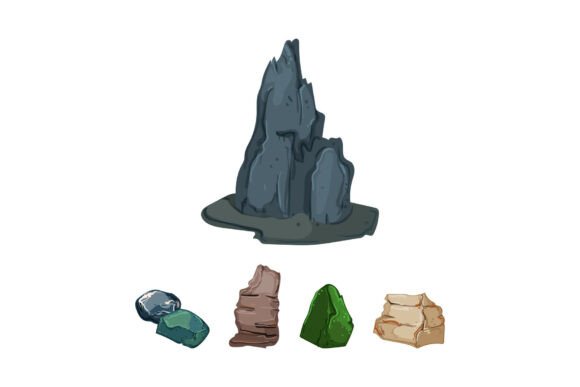
The art of Diverse Stones and Rocks Arranging for L is more than a mere aesthetic choice; it is a foundational practice for anyone looking to craft immersive natural environments. Whether you are designing a serene aquatic ecosystem or structuring a stylized garden, the selection and placement of materials define the visual narrative. Various natural stones and decorative rocks offering different shapes, colors, and textures serve as the primary tools for this creative expression. By understanding how these elements interact, creators can transform empty spaces into dynamic, living compositions that resonate with tranquility and organic beauty.
Understanding the Core Principles of Rock Placement
At its heart, Diverse Stones and Rocks Arranging for L relies on the principle of balance between stability and flow. Unlike manufactured decor, natural stone carries inherent irregularities that must be respected rather than forced. When arranging these materials, one must consider weight distribution, visual weight, and the interplay of light and shadow. For aquarists, this means creating secure structures that withstand water currents while providing hiding spots for inhabitants. For gardeners, it involves anchoring plants and defining pathways without disrupting the natural grade of the land.
The process begins with observation. Before placing a single stone, assess the container or landscape. Identify the focal point where the eye naturally rests. In an aquarium, this might be the center-left third, following the rule of thirds. In a garden, it could be a viewing angle from a patio. Once the focal point is established, select a main stone, often called the "parent" stone, which sets the tone for the entire arrangement. This stone should have distinct character—perhaps a jagged edge or a unique coloration—that draws attention. Subsequent stones, or "child" stones, should complement the parent by echoing its texture or color but varying in size and orientation to create harmony without monotony.
Enhancing Aquatic Ecosystems Through Strategic Design
In the realm of aquascaping, Diverse Stones and Rocks Arranging for L plays a critical role in biological health as well as aesthetics. Natural stones provide surface area for beneficial bacteria to colonize, which is essential for maintaining water quality. However, the arrangement must also facilitate water flow. Poorly placed rocks can create dead zones where debris accumulates, leading to algae outbreaks. By strategically spacing stones to allow current to pass through, you ensure that nutrients reach all parts of the tank and waste is efficiently removed.
Consider the needs of your aquatic inhabitants. Fish and invertebrates require shelter to reduce stress. A well-arranged rock structure offers caves and crevices that mimic natural habitats. For example, stacking flat slate stones can create layered shelters for bottom-dwelling species, while upright volcanic rocks can support epiphytic plants like Anubias or Java Fern. The key is to build from the bottom up, ensuring each layer is stable. Using inert adhesives or epoxy can help secure precarious positions, but the goal should always be a structure that looks effortless and natural, as if it has existed underwater for centuries.
Creating Stylized Garden Arrangements with Texture and Color
Outside of water, the application of Diverse Stones and Rocks Arranging for L transforms outdoor spaces into extensions of indoor living. Here, the focus shifts to durability and weather resistance. Various natural stones and decorative rocks offering different shapes, colors, and textures allow for endless customization. River rocks, with their smooth surfaces, evoke a sense of calm and are ideal for Zen gardens or dry creek beds. Conversely, rough-hewn granite or limestone adds drama and contrast, suitable for rockeries or retaining walls.
Color coordination is vital in garden design. Dark basalt can make green foliage pop, while light-colored quartzite can brighten shaded areas. When arranging these stones, think about the seasonal changes. A arrangement that looks striking in summer might disappear under snow in winter. Incorporating evergreen plants alongside permanent stone structures ensures year-round interest. Additionally, consider the tactile experience. Smooth stones invite touch and are perfect for seating areas, while jagged rocks should be placed away from high-traffic zones to prevent injury.
Practical Benefits for Creators and Hobbyists
Engaging in Diverse Stones and Rocks Arranging for L offers tangible benefits beyond visual appeal. For professionals such as landscape architects or interior designers, mastering this skill enhances client satisfaction by delivering unique, custom solutions that off-the-shelf products cannot match. It allows for greater creative control and the ability to solve specific spatial challenges, such as masking unsightly utilities or defining boundaries without hard fencing.
For hobbyists and educators, the process fosters patience and observational skills. It encourages a deeper connection with nature, as one learns to identify stone types and understand their geological origins. This knowledge can be shared with students or community groups, turning a simple gardening project into an educational opportunity about earth sciences and ecology. Furthermore, working with natural materials is inherently therapeutic. The physical act of lifting, positioning, and adjusting stones provides a mindful break from digital distractions, promoting mental well-being.
Selecting the Right Materials for Your Project
Not all stones are created equal, and choosing the wrong type can lead to maintenance issues or even harm to living organisms. When selecting materials for Diverse Stones and Rocks Arranging for L, consider the chemical properties of the stone. Limestone and marble can raise pH levels in water, which may be detrimental to fish that prefer acidic conditions. In such cases, inert stones like granite or quartz are safer choices. Always test new stones by soaking them in water and checking pH levels before introducing them to an established ecosystem.
Size and shape also dictate functionality. Large boulders anchor a design and provide structural integrity, while smaller gravel fills gaps and creates a finished look. Decorative rocks with uniform shapes can lend a modern, minimalist aesthetic, whereas irregular natural stones offer a rustic, wild appearance. Mix and match with caution; too many contrasting styles can result in visual clutter. Aim for a cohesive theme that reflects the desired mood of the space, whether it is serene, dramatic, or playful.
Overcoming Common Challenges in Stone Arrangement
One common challenge in Diverse Stones and Rocks Arranging for L is achieving stability without visible supports. In aquariums, this often requires careful balancing and the use of substrate to lock stones in place. In gardens, frost heave can shift stones over time. To mitigate this, dig below the frost line for larger installations or use a compacted base of sand and gravel. Another issue is scale. Stones that look impressive in a store may appear diminutive in a large room or garden. Always visualize the final scale by using temporary markers or cardboard cutouts before committing to placement.
Additionally, consider the long-term maintenance. Algae growth on stones in aquatic settings is natural but can obscure details. Regular cleaning with a soft brush helps maintain clarity. In gardens, moss and lichen can enhance the aged look of stones, but excessive weed growth between rocks requires regular upkeep. Using landscape fabric beneath decorative gravel can simplify weed control while allowing water drainage.
Ultimately, Diverse Stones and Rocks Arranging for L is a journey of discovery. It invites you to experiment, fail, and try again until the composition feels right. By respecting the natural qualities of the materials and aligning them with your creative vision, you create spaces that are not only beautiful but also meaningful and sustainable. Whether for a small desktop aquarium or a sprawling backyard landscape, the principles remain the same: observe, plan, and let the stones guide your hand.